 111
 2
 3
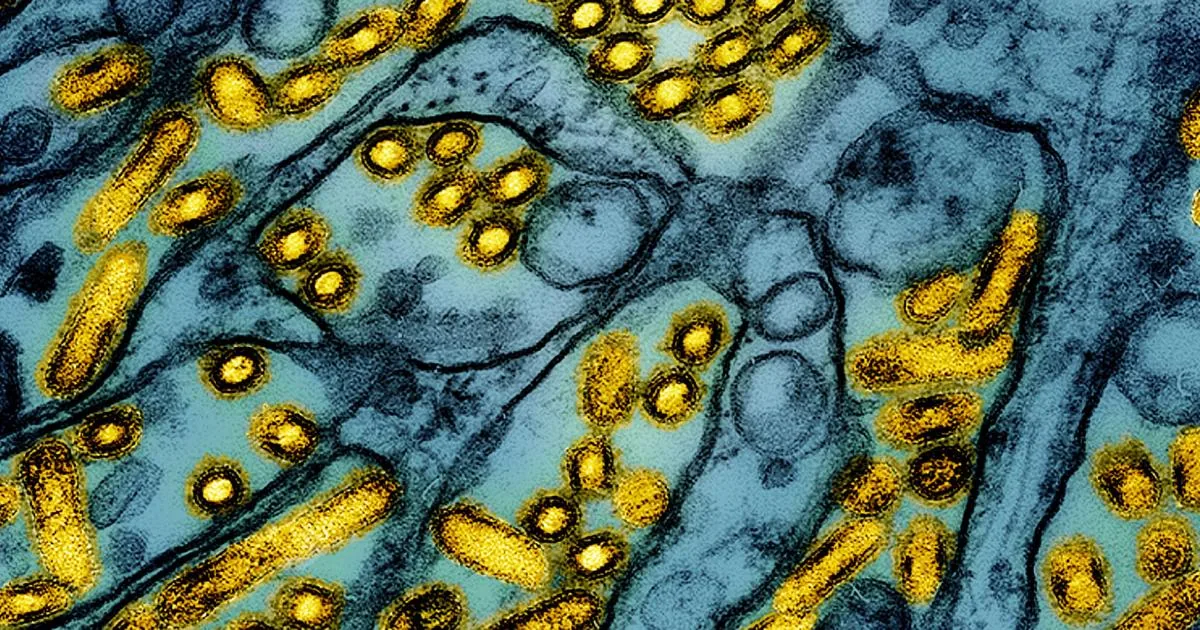
NEW YORK, NY — A Washington state resident has died from complications of bird flu after being exposed to infected cattle at a dairy, according to county health officials. It is the first bird flu death in the United States in a year and only the third tied to the virus since it became a national public health concern in 2024.
The Yakima County resident had been hospitalized and had underlying health conditions, officials said. The person’s identity was not released. The Centers for Disease Control and Prevention said the infection was caused by H5N1, the strain that has been spreading through wild birds, poultry and livestock in recent years.
County health officials said the person was exposed at a dairy where cattle had tested positive for avian influenza. They did not provide additional details about the individual, including how long the person had been ill or when the exposure occurred.
Health authorities also said 33 dairy herds in the county have recently tested positive for H5N1. Three human infections have been linked to exposure at a dairy, and the Yakima Health District is working with Washington state health officials to identify close contacts and monitor them for symptoms.
The case underscores how the virus continues to circulate in animals in ways that can create occasional human exposure, even as officials say the general risk remains low.
The Washington death follows two earlier bird flu fatalities in the United States. The first was announced in January 2025 and involved an older person in Louisiana who was infected with H5N1. The second occurred in Washington state in November 2025 and was tied to a rarer strain known as H5N5.
Those deaths remain unusual, but they show that severe illness can happen when people are infected. Public health officials say bird flu infections in humans are still uncommon, and most cases reported in the United States have not led to broader spread between people.
The latest death also comes after months of concern about infections among U.S. livestock, especially dairy cattle, which have become a key point of contact between animals and farm workers.
The CDC said it analyzed the virus from the Washington resident and found no genetic changes that would make it spread more easily or cause more severe illness. A spokesperson said Monday that the sequence did not show anything that would suggest the virus has become more dangerous for the public.
More than 70 human infections have been reported in the United States since the beginning of 2024, according to the agency. Even so, health officials say there is no known person-to-person spread, and the risk to the general public remains low.
Officials continue to watch the virus closely because its presence in animals gives people more chances for exposure, especially in farm settings.
Health officials are still urging people who work around birds or livestock to take precautions, especially if they handle sick or dead animals. Recommended steps include wearing respiratory and eye protection as well as gloves when working with poultry or in similar settings.
Workers on farms are considered to be at higher risk because they are more likely to come into direct contact with infected animals or contaminated environments. Officials say those precautions are important even though the broader public is not thought to face a high level of danger.
Bird flu has been spreading among wild birds, poultry, cows and other animals for several years, and the continued circulation among livestock remains a concern for veterinarians and public health agencies.
Public health agencies are treating the Washington case as a reminder that animal outbreaks can still spill over into people. While the CDC says the overall risk to the public is low, the pattern of infections in animals and occasional human cases keeps surveillance active.
The Yakima Health District’s contact tracing effort reflects how officials respond when a human infection is linked to a dairy. Monitoring close contacts helps health workers look for symptoms early and reduce the chance that additional cases are missed.
For now, officials are focused on tracking infections in herds, protecting workers and watching for any changes in the virus. The case adds to a still-developing national picture of bird flu in the United States.