 111
 2
 3
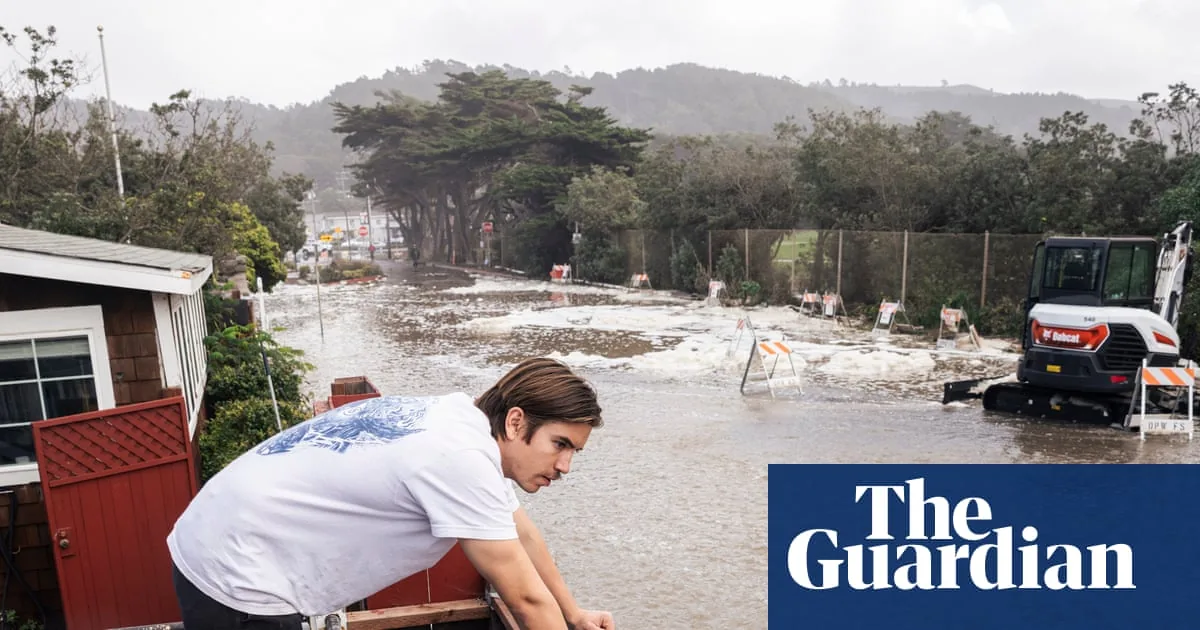
SAN FRANCISCO, CA — A powerful atmospheric river drenched Northern California on Wednesday, bringing record rainfall to downtown San Francisco and triggering flooding, power outages and stranded drivers across the Bay Area. The storm pushed water into streets, overwhelmed drainage systems and created hazards from coastal communities to inland highways.
By midday, San Francisco had already seen rainfall totals that broke long-standing records, while officials and forecasters warned the system would continue moving through the state. The same storm was expected to bring heavier rain, snow, surf and flood threats farther south and into mountain regions later in the week.
Downtown San Francisco recorded 2.11 inches of rain before noon Wednesday, the most for that time of day in 76 years, according to reporting cited by the San Francisco Chronicle. By 3 p.m., the city’s daily total had reached 2.28 inches, breaking the previous record for Nov. 18 that had stood since 1918, the National Weather Service said.
Flooding spread beyond the city limits. In Santa Clara, standing water covered several highways, and San Francisco neighborhoods saw street flooding severe enough to send manhole covers floating. The storm also appeared to overwhelm parts of the sewer system, with bystander video showing sewage erupting from drains near Ocean Beach.
Emergency crews in San Jose responded after two vehicles became trapped in floodwater downtown near the SAP Center, according to the city fire department’s social media posts. One of the passengers was being removed by boat rescue, the department said.
The flooding created another reminder of how quickly heavy rain can turn urban streets into hazards, especially when drainage systems are already under strain. A local meteorologist for ABC7 News said the storm gave the Bay Area a preview of the weak spots that could become problems again later in the season.
Waymo, the self-driving car company, temporarily suspended service in San Francisco after one of its vehicles stalled in floodwater and blocked traffic, the Chronicle reported. The disruption underscored how the rain affected not only commutes but also transportation services operating in the city.
Thousands of customers across the Bay Area were without power by Wednesday afternoon, according to Pacific Gas & Electric’s outage map. The utility serves much of Northern California and was tracking widespread storm-related disruptions as the rain continued to fall.
In the city, the rain exposed more than just traffic trouble. Overloaded stormwater systems appeared to push sewage into the streets in some areas, adding another layer of cleanup and public-health concern to the day’s flooding. With rain still in the forecast, officials and residents were bracing for more water-related problems once the storm intensified again.
San Francisco Mayor Daniel Lurie said the region’s winter storm and flood season, strengthened by a very strong El Niño year, was only beginning. He warned that the storm was expected to return later Wednesday night and that many of the same low-lying areas could flood again.
The atmospheric river was forecast to move into Southern California on Wednesday night and Thursday, raising the threat of heavy rain, coastal flooding and damaging surf. In Los Angeles, officials warned residents in mudslide-prone areas that evacuation orders could come as rain increased the risk of flooding, debris flows and slope failures.
Areas burned in the 2025 Palisades, Sunset and Hurst fires were specifically flagged for possible evacuation orders starting Wednesday night. Fire-scar terrain is especially vulnerable because burned soil can shed water quickly, sending mud and debris downhill with little warning.
The National Weather Service said Southern California could see 1 to 3 inches of rain in many areas, with 3 to 5 inches possible in some mountain and foothill locations. It also warned of a 20 percent chance of thunderstorms and as much as a foot of snow at higher elevations above 6,000 feet.
Forecasters said the heaviest rain in the state was expected in areas northeast of San Francisco, stretching from Santa Rosa to Chico and Redding in the Central Valley, as well as along coastal mountain ranges south of the Bay Area. Travel delays, localized flooding and hazardous conditions were expected, especially on coastal roads and mountain passes.
The storm also carried a winter-weather punch for the Sierra Nevada, including the greater Lake Tahoe area, where heavy snow warnings were issued for higher elevations. Along the coast, officials warned of wave damage to piers and parking lots, beach erosion and coastal flooding, with the worst surf impacts expected in Southern California on Thursday.
Burn scar areas in Big Sur and the Napa Valley remained at risk for flash flooding, while waterspouts were spotted over San Francisco Bay earlier in the week. The National Weather Service also flagged a continued chance of waterspouts over the ocean east of San Francisco as the atmospheric river moved through.
Not all of the storm’s effects were limited to roads and buildings. In Monterey, south of San Francisco, the local aquarium said storms and massive waves were driving a surge in sea otter strandings in Monterey Bay this week.
The aquarium said staff had safely rescued several pups after community members called to report animals in trouble. The rescues highlighted how the storm’s impact extended to coastal wildlife as well as people, infrastructure and emergency services.
Atmospheric rivers are common in the West, but forecasters say they can be both essential and dangerous. These long corridors of moisture supply much of California’s precipitation, yet they also bring the flooding, landslides and surf hazards that make storm season especially disruptive.