 111
 2
 3
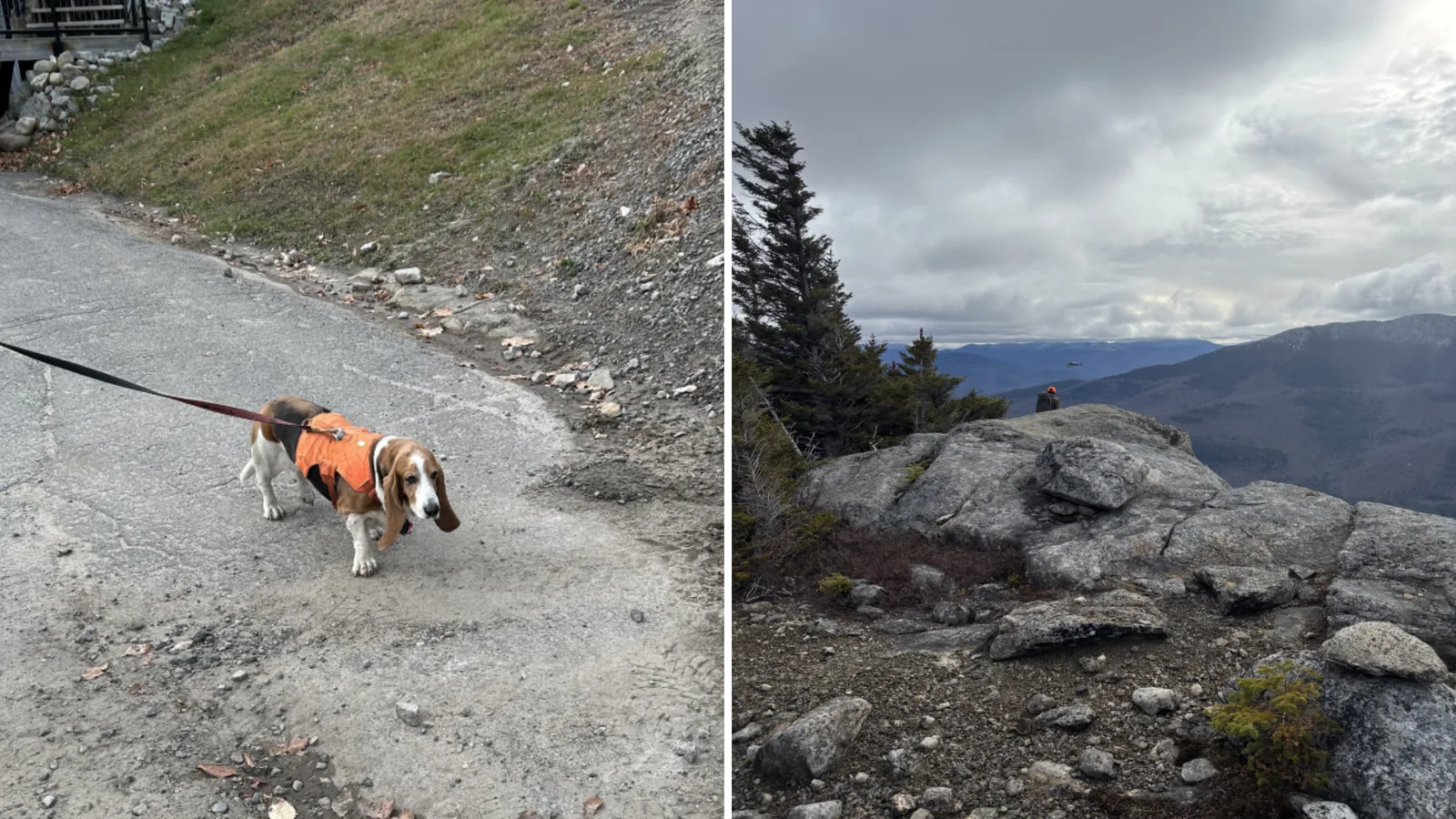
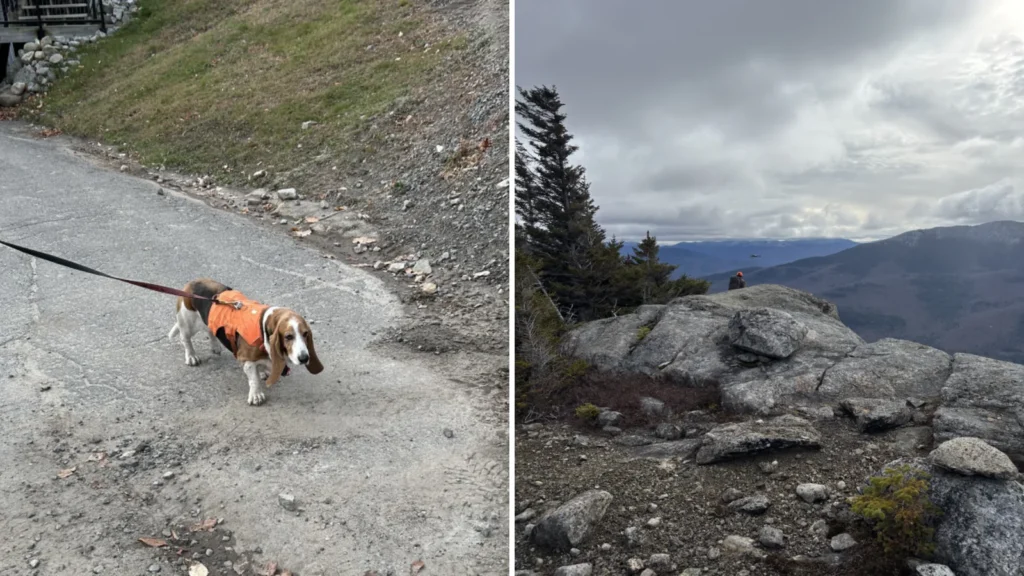
WILMINGTON, NY — A 69-year-old man with dementia was rescued from the wilderness near Whiteface Mountain after his basset hound, Becky, appeared alone at a mountain lodge and alerted staff to a possible problem. The incident unfolded in Essex County near Lake Placid, where rescuers worked through the night and into the next morning to locate him.
According to the New York State Department of Environmental Conservation, Becky arrived at the Whiteface Mountain Lodge around 9 p.m. on Nov. 12. Staff recognized the dog because her owner had gone missing before, and they quickly contacted New York State Police. That call set off a search effort that eventually expanded to include multiple agencies and specialized equipment.
The rescue began with a clue that could easily have been missed: a dog showing up by herself. Lodge staff knew Becky and understood that her owner may have been in trouble, so they reached out to law enforcement as soon as they saw her.
New York State Police then began searching and asked Forest Rangers for help. The initial response included four Rangers and state police personnel, along with a drone and a bloodhound to help cover the rugged terrain around Whiteface Mountain. The use of both ground and air resources reflected how difficult the search area can be, especially after dark and in cold weather.
As the effort continued, it grew significantly larger. By the time rescuers were done, 14 Rangers, four state police members and New York State Police Aviation had been involved in the operation.
The terrain near Whiteface Mountain made the search more complicated, and rescuers relied on several tools to widen their chances of finding the missing man. A drone helped scan the area from above, while a bloodhound was brought in to follow possible scent trails.
Those early efforts did not immediately produce a result, so additional personnel joined the search. The growing response suggests that rescuers believed the man could still be found quickly if they could narrow down his location before conditions worsened further.
New York State Police Aviation also became part of the operation. That support would later prove crucial, since the rescue ended with a hoist extraction rather than a ground carryout. In remote mountain terrain, that kind of air-assisted response can save time and reduce risk for both the missing person and the rescuers.
The search ended at about 10 a.m. the following day when a hunter found the man. By then, he had been outside long enough to suffer serious exposure, according to the Department of Environmental Conservation.
Officials said the 69-year-old was not wearing shoes or gloves when he was located and had severe frostbite. His condition, combined with the difficult terrain, made the rescue more urgent and more dangerous. The discovery came after hours of uncertainty about where he had gone and whether he could still be reached safely.
The fact that a hunter found him underscores how many different people can end up involved in wilderness emergencies, even when the original search is led by police and rescue teams. In this case, that chance encounter appears to have been the breakthrough that allowed the operation to move from searching to evacuation.
Once the man was found, rescuers had to choose the fastest and safest way to get him out. Because of the terrain and his medical condition, authorities determined that a hoist operation would be the best option.
Forest Rangers then hoisted the man out of the area, and a New York State Police pilot flew him to a hospital. The sequence shows how mountain rescues often depend on close coordination between ground crews and aviation units, especially when a patient may be unable to walk out on his own.
No additional details were immediately provided about the hospital where he was taken or his condition after the rescue. What is clear is that the operation was successful, and it ended with the man receiving medical care after being recovered from the wilderness.
The incident took place in Essex County, near Lake Placid, an area where remote terrain and winter-like conditions can create serious risks for anyone who becomes lost or injured. Even a short delay can become dangerous when temperatures drop and a person is not properly equipped for the weather.
In this case, the man’s dementia likely made the situation even more precarious, since disorientation can make it harder for someone to find shelter, stay on a path or call for help. The search also shows how a pet can sometimes provide the first sign that a person is missing and help rescuers move faster.
Authorities have not indicated any broader safety issue tied to the event. Instead, the rescue stands as a reminder of how quickly a routine outing in the mountains can become a life-threatening emergency when someone is unprepared or unable to make it back on their own.