 111
 2
 3
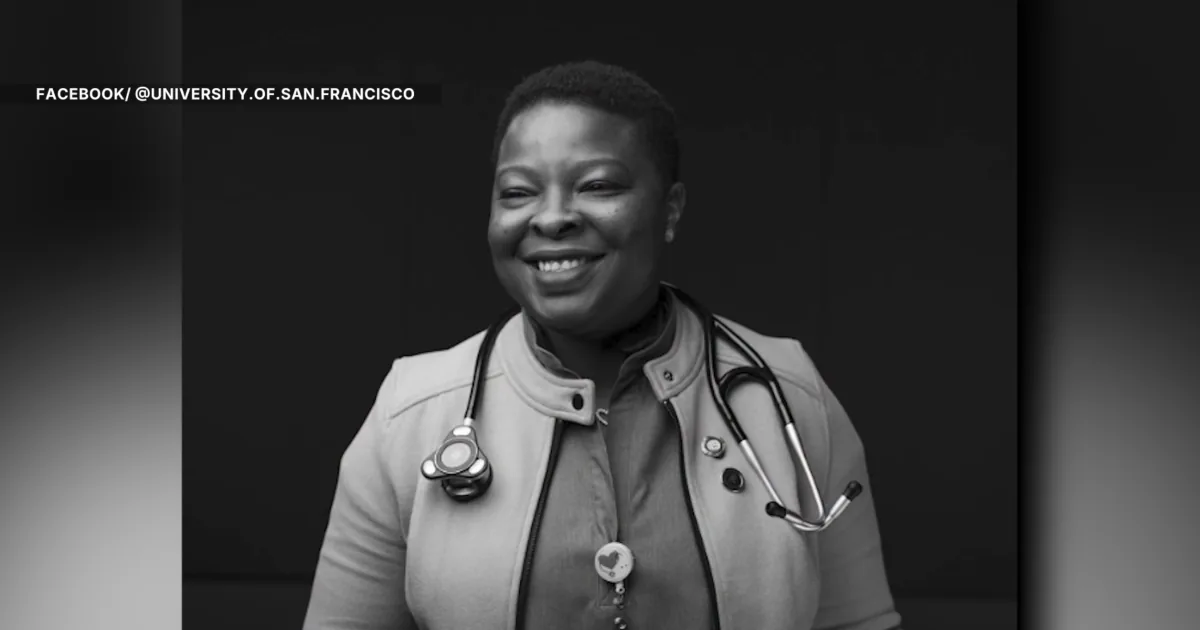
SAN FRANCISCO, CA — A California nurse and university professor has spent nearly two months in Immigration and Customs Enforcement custody after an arrest that initially left her family unable to find her in the government’s public detainee locator.
Dr. Ann Lawani, 39, was taken into custody during a targeted ICE enforcement operation in Lodi on Sept. 16 and later moved more than 2,000 miles away to a Louisiana detention facility. Her relatives and colleagues say they could not locate her for days because her name did not appear in the online system.
The case has drawn attention because Lawani was among detainees whose names disappeared from the locator after ICE changed the database on Sept. 15. Legal advocates say the change left thousands of people harder to track at the very moment families and attorneys needed clear information.
ICE quietly removed detainees with final removal orders from its public locator one day before Lawani’s arrest, according to accounts in the case. That meant her family could not simply search the government website to find which facility was holding her after the Sept. 16 operation.
Scripps News reported that in July alone, about 16,000 people arrested and booked into ICE detention centers had final removal orders. Lawani’s case became one of the most visible examples of what that policy change can mean in practice, especially for relatives trying to confirm whether a loved one is safe and where they have been taken.
Eventually, Lawani was transferred to Louisiana, where she was able to contact her brother. Before that call, her family and colleagues say they were left guessing as she moved through the system.
Dr. Eileen Fry-Bowers, dean of the University of San Francisco School of Nursing and a close colleague, said Lawani’s relatives were not told where she was as she was moved across state lines. Fry-Bowers said the family later learned that Lawani had been shackled, held in a bus in the September heat in California’s Central Valley and transferred through Texas before reaching Louisiana.
Fry-Bowers told Scripps News she feared Lawani could be deported to a third country, even though Lawani’s life and career are rooted in the United States. She said the worry was not only about deportation itself, but about whether Lawani would be sent somewhere unsafe, unfamiliar or linguistically inaccessible.
Fry-Bowers also described Lawani as a significant part of the nursing school community, emphasizing that the case has affected students, colleagues and the broader campus. Her comments framed the detention as more than an immigration file, but as a disruption to a professional and academic network.
Four legal groups have sued the Trump administration over the database change, calling it a “mass disappearance” intended to avoid judicial oversight and intervention. Their argument is that families and lawyers cannot defend people they cannot find, especially when detainees are moved quickly and records are harder to access.
The litigation reflects a broader concern that visibility in the detention system is essential for due process. Without a functioning locator, advocates say it becomes much harder to prepare legal filings, contact clients and tell families where someone is being held.
Lawani’s own case illustrates that problem. Her habeas petition seeking release under the Fifth Amendment remains pending in federal court in the Eastern District of California, while her attorneys continue to challenge her confinement.
A judge has barred the government from deporting Lawani while her case continues. The Department of Homeland Security, however, says she overstayed an expired visa in 2007 and previously received a final removal order.
DHS told Scripps News it plans to keep Lawani in custody pending her removal from the United States. In a statement, the department said that the appropriate process for someone with a final deportation order is removal, “plain and simple.”
The dispute places Lawani’s immigration history at the center of the case. Federal officials are treating the final order as the key issue, while her supporters argue that her long residence in the country and current legal protections should prevent deportation.
Lawani’s attorney, Natalia Vieira Santanna, says an immigration judge granted her withholding of removal to Nigeria in 2013, immediately after the deportation order. That relief, Santanna said, barred the government from sending her there and allowed Lawani to remain in the United States with a work permit.
Santanna said Lawani has lived in the country under that protection for more than a decade and has no criminal record. She also said her work authorization is valid until 2029, underscoring her long-standing ability to remain and work legally under the terms of that immigration relief.
According to Santanna, the habeas petition asking for Lawani’s release is still pending. She said the legal team will continue seeking her freedom as the court process moves forward.
Rep. Josh Harder, who represents California’s 9th District, is among those calling for Lawani to be released. Harder argued that her years of compliance, lack of criminal history and community ties do not justify holding her far from home.
The American Nurses Association also weighed in, saying federal authorities should ensure due process and humane treatment and consider the impact on nurses, families, patients, students and the communities that depend on them. Lawani remains in ICE detention as those appeals continue.
Supporters say the case raises questions about how detention policy is working on the ground, especially when people with stable careers and family responsibilities are swept into a system that can make them difficult to locate. For Lawani’s loved ones, the immediate concern remains her release and her return home.