 111
 2
 3
WASHINGTON, DC — A deadly parasite that feeds on living flesh is spreading quickly across the American Southwest, prompting new restrictions on livestock and pets in Texas, New Mexico and Arizona. Federal officials first detected New World screwworm in June, marking its first appearance in the United States in decades.
The U.S. Department of Agriculture has confirmed 139 cases across three states so far, with 53 of them recorded this month alone. That is a sharp increase after fewer than 10 total cases were reported in August and September. State and federal officials are now trying to slow the infestation before it reaches more herds, more wildlife and more households with animals.
Texas has become the center of the spread, with officials there tracking 77 sites that have at least one confirmed case. Animal movement is restricted in all or parts of 31 counties as state leaders try to prevent further spread between ranches, shelters and other facilities.
David Anderson, a Texas A&M University professor and livestock economist, said the sudden rise has changed the outlook quickly. He described the latest wave as a major jump in cases after a quieter period earlier in the fall. The restrictions affect not only cattle operations but also the movement of pets and other animals that could carry the pest into new areas.
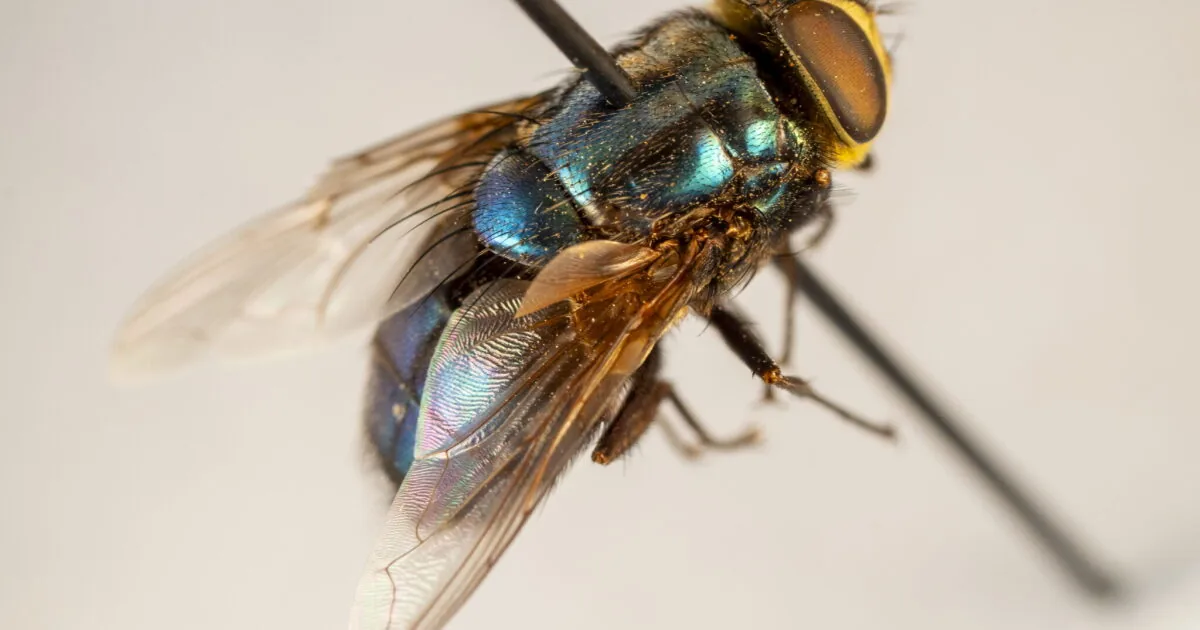
The parasite’s name is misleading. The adult insect is about the size of a housefly, but its larvae burrow into open wounds and feed on living tissue as they grow. USDA says the larvae can enter wounds as small as a tick bite, or openings such as the eyes and nose.
Because screwworm can infect livestock, wildlife, pets and even people, states are tightening their rules in different ways. California requires warm-blooded animals arriving from an infested zone to have a pretravel inspection, veterinary certification and an entry permit. Texas also paused adoptions for thousands of dogs and cats in August while movement rules were tightened in many states.
Mia Bendixsen, executive director of the Texas Humane Legislation Network, said the limits have created problems for animal shelters and rescue groups of every size. In New Mexico, the state Livestock Board has expanded its tracking to regional infestation zones, and ranchers must get state permission before moving cattle out of those areas.
Those rules matter because the pest can hide in newborn calves with exposed umbilical cords and can complicate routine ranch work such as branding and tagging. The goal is to catch infestations early before they spread through herds or escape into surrounding wildlife populations.
Officials say the parasite does not create food safety risks, but it could still affect consumers. A larger outbreak may further strain cattle supplies at a time when beef prices are already near record highs.
Anderson said consumers could see some price relief next year, but he cautioned that beef is unlikely to return to the very low prices many shoppers saw five to 10 years ago. He pointed to higher costs across the industry, including transportation, labor and processing, as reasons prices may remain elevated even if the outbreak eases.
In August, federal officials began reopening Southern ports for cattle imports from Mexico in stages after the screwworm outbreak disrupted trade. Anderson said that step should gradually rebuild the domestic cattle supply chain and help ease pressure on shoppers over time.
To drive down the pest population, the federal government is betting on a long-running eradication strategy: sterile male flies. The USDA plans to breed sterilized males, release them where screwworm is established, and reduce reproduction as females mate only once in their lives.
That effort is getting a major boost in South Texas, where USDA is building a $750 million sterile fly facility expected to produce up to 300 million sterile flies per week when it opens next year. The agency has also invested in sterile fly facilities in Mexico and Panama.
Last week, the federal government began hiring 228 workers for the new Texas plant. Agriculture Secretary Brooke Rollins said in a news release that protecting U.S. livestock and wildlife from New World screwworm is a national security priority and that the facility will greatly expand sterile fly production.
The screwworm can infect humans, but the Centers for Disease Control and Prevention says no domestic human cases have been reported in the United States. That said, the risk is not theoretical. CDC tracking shows more than 2,850 human cases have been reported in Mexico and Central American countries.
Public health officials and livestock managers are watching closely because the pest can move through wounds, body openings and interactions with infected animals. Even where infections are not yet common, the presence of the parasite has already forced new monitoring requirements and travel precautions for animals entering restricted areas.
The current outbreak is also a reminder of how quickly animal health threats can ripple outward. A parasite that affects ranches can also disrupt shelters, transport, inspections and regional commerce, making the response a shared problem for agriculture, veterinary services and public agencies.