 111
 2
 3
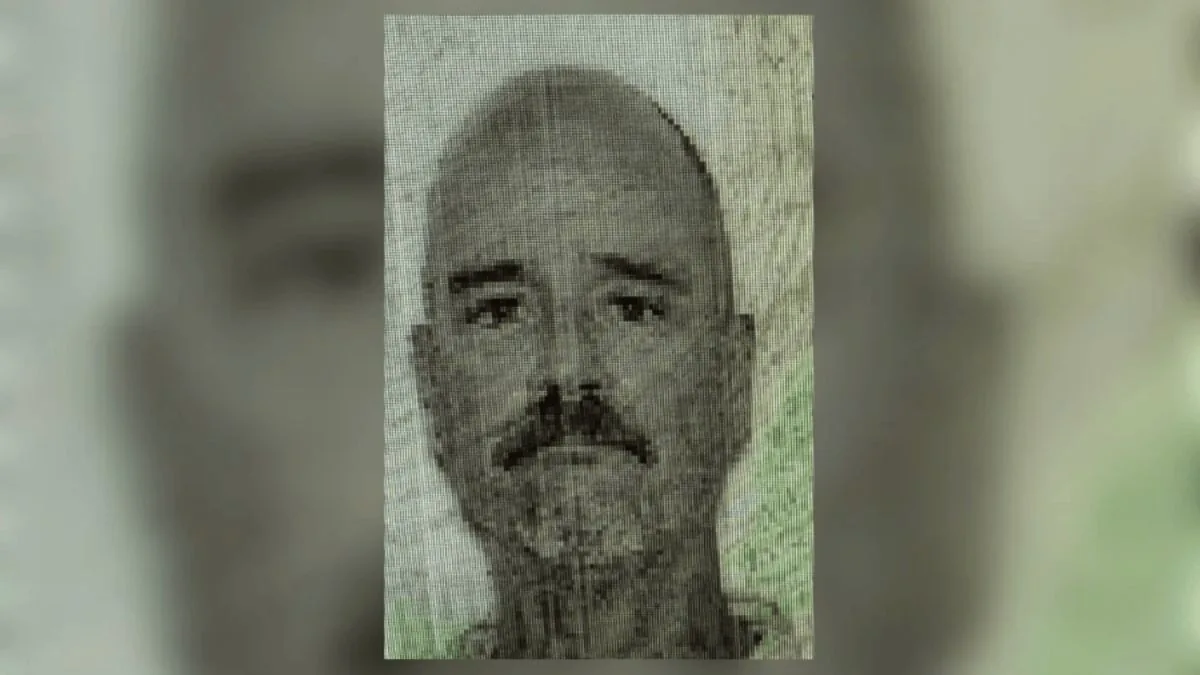
ATMORE, AL — Authorities in Escambia County have identified human remains found along Interstate 65 in Atmore nearly three decades ago as those of Jimmy Monroe Pitts, a man who had been reported missing from Georgia. The discovery was first made on May 18, 1997, but investigators were unable to determine the person’s identity for years.
The breakthrough came through renewed forensic work and newer DNA technology. The sheriff’s office says the case was reopened in 2020 by Crime Scene Investigator Lindsey Miles, leading to a series of testing efforts that eventually produced a usable DNA profile and a positive identification in 2026.
The remains were recovered along Interstate 65 in Atmore, a city in southern Alabama near the state line. Escambia County Sheriff’s Office officials say the body was discovered on May 18, 1997, and that Pitts had been reported missing from Georgia.
At the time, investigators did not have the tools they would later use to make the identification. The case sat unresolved while authorities continued to hold the remains and preserve what evidence they could. The long delay underscores how unidentified-remains cases can remain open for years before advances in testing create a new path forward.
Even with the passage of time, the case remained active enough for investigators to keep pursuing answers. The sheriff’s office said the eventual goal was to put a name to the remains and give Pitts’s family a definitive answer about what happened to him.
Escambia County officials said the renewed effort started in 2020, when Investigator Miles began working to identify the man using updated forensic methods. Multiple earlier attempts failed, but the process moved ahead when DNA Labs International was able to successfully obtain and sequence DNA from the remains in 2025.
That sequencing step made forensic genetic genealogy possible. From there, researchers were able to narrow down potential family connections and ultimately identify Pitts as a possible match in August 2026.
The sheriff’s office then traveled to Georgia to collect a DNA reference sample from Pitts’s sister. That comparison helped confirm the identification and close out a case that had remained unresolved since the 1990s.
Once investigators had a likely identity, they moved to verify it through a direct family comparison. Authorities say the DNA reference sample from Pitts’s sister provided the final link needed to confirm the remains were his.
The family-side confirmation is an important part of genetic genealogy cases, especially when decades have passed and original records are limited. In this case, the process connected remains found in Alabama to a man who had disappeared from Georgia, showing how cross-state family tracing can help solve long-open identifications.
Officials did not describe the circumstances of Pitts’s disappearance or how he came to be missing from Georgia. They did say the investigation ended with no sign of foul play.
Sheriff Heath Jackson thanked several people and organizations for their help with the identification. The sheriff’s office specifically recognized Olivia McCarter, the Cold Case Coalition, DNA Labs International, and Moxxy Forensic Investigations for contributing to the case.
Jackson also credited Dr. Kenneth Woodward of Brewton Dental for assisting with the collection of critical dental evidence. That material helped investigators support the identification effort alongside the DNA work.
The sheriff said the persistence of investigators mattered because these cases do not always produce quick results. He said that after nearly thirty years, Pitts finally has his name back and his family now has answers.
Authorities say the case concluded without evidence of foul play. That finding means investigators did not identify signs that Pitts’s death was the result of a homicide or other criminal act.
For law enforcement, the identification closes one of the region’s long-running unidentified-remains cases. For the family, it brings closure after years without a confirmed answer about what happened after Pitts went missing.
The sheriff’s office framed the resolution as a reminder that older investigations can still move forward when technology improves and evidence is preserved. In this case, the combination of DNA sequencing, genealogical research, and family testing finally gave investigators the name they had sought since 1997.