 111
 2
 3
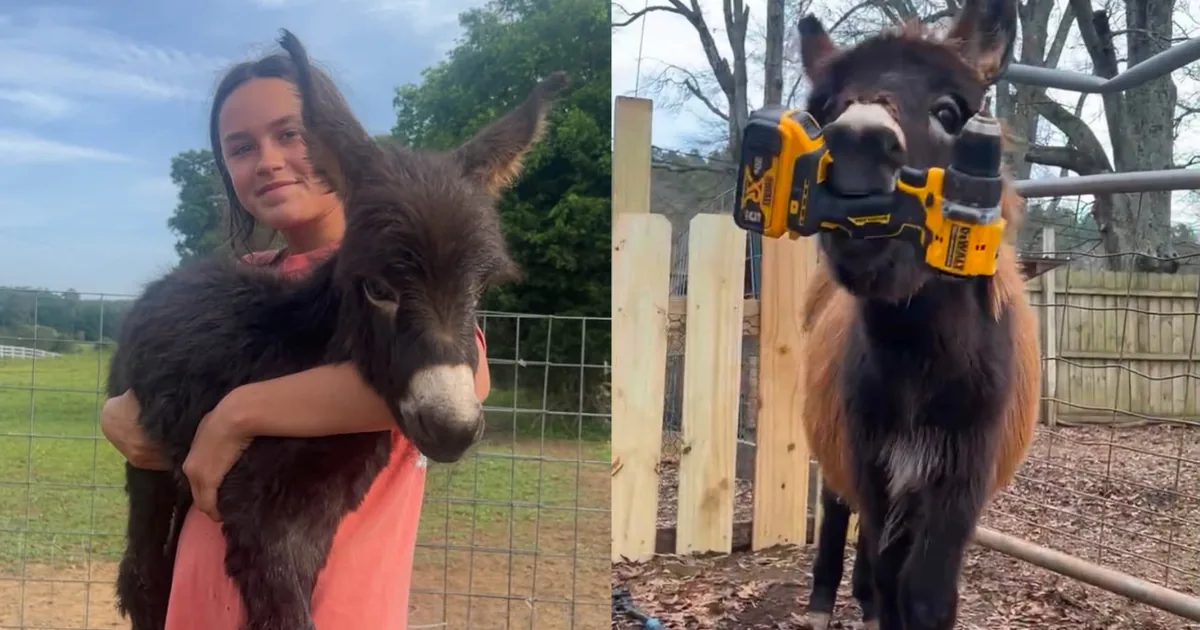
CEDARTOWN, GA — The Cedartown police officer who shot and killed a donkey named HeeHaw is back on full duty after prosecutors decided not to bring criminal charges. City officials told Officer Trenton Garner in a letter that he would be reinstated effective immediately.
The case drew attention because the shooting happened while officers were helping search for a missing 12-year-old girl in Polk County. Body-camera video later showed the donkey moving toward officers before the gunfire, while Garner said he believed the animal posed a threat to another officer.
According to a letter obtained by CBS News Atlanta, Police Chief James Newsome and City Manager Edward Guzman informed Garner that he could return to full duty right away. The decision came weeks after local prosecutors said the facts did not support criminal liability.
The reinstatement closed one chapter of a case that had already split public opinion. The officer’s actions were reviewed by prosecutors in the Tallapoosa Judicial Circuit after the fatal encounter in late August, and the district attorney ultimately declined to pursue charges.
That decision stood in contrast to an earlier assessment by investigators with the Georgia Department of Agriculture, who concluded that Garner had violated criminal statutes. The prosecutor said that review left out important details that mattered to his decision.
Garner shot HeeHaw shortly after midnight on Aug. 30 while officers were assisting with the search for a missing child. In the body-camera video, the donkey can be seen running toward the officers as they back away.
After the shooting, Garner told dispatch that his firearm had been discharged at a donkey that was trying to attack officers in a pasture and on a track. In his incident report, he wrote that another officer had used a Taser’s electrical arc in an effort to scare the animal off, but that HeeHaw kept advancing.
Garner said he fired one round, after which the donkey turned, moved uphill and collapsed. Those details became central to the later legal review, along with the video and witness statements collected during the investigation.
On Nov. 2, Tallapoosa Judicial Circuit District Attorney Jaeson Smith released a report saying Garner had acted reasonably to protect another officer. Smith wrote that after reviewing the investigation and all available evidence, the facts did not support criminal charges.
The district attorney’s conclusion was important because it addressed the core legal question in the case: whether the officer’s use of force crossed into criminal conduct. Smith said it did not, based on the record he reviewed.
That finding did not erase the controversy around the shooting, but it did clear the way for Garner’s return to police work. City officials relied on that decision when they moved to put him back on active duty.
Before the prosecutor’s decision, investigators with the Georgia Department of Agriculture had reached a different view. Their assessment said Garner had broken criminal statutes, a conclusion the district attorney later said was incomplete because it left out key information.
HeeHaw’s owner, Hannah Michelle Israel, also challenged the shooting in court. Her lawsuit says officers went into her fenced pasture without a warrant or permission and killed the donkey without justification.
The civil case keeps a separate legal fight alive even though no criminal charges were filed. The dispute now focuses on whether law enforcement’s entry onto the property and the shooting itself were lawful under civil standards.
Garner has asked a judge to dismiss the lawsuit, arguing that qualified immunity protects him from money damages for actions taken in the course of his job. That legal doctrine often becomes a major issue when officers are sued over split-second decisions made during police work.
The case therefore now has two tracks: a criminal inquiry that ended without charges and a civil lawsuit that still has to be resolved. For Garner, the prosecutor’s ruling removed the threat of criminal prosecution, but it did not automatically end the dispute over liability in court.
For Israel, the lawsuit remains a chance to challenge what happened in the pasture and to seek damages over the death of the donkey. The judge will now have to weigh the immunity claim and the facts laid out by both sides.
What began as a search for a missing child became a case that drew attention well beyond Polk County. The combination of body-camera footage, a dead animal, and conflicting official conclusions made the episode unusually visible for a local police matter.
The return of Garner to duty suggests the department considers the criminal side of the case resolved for now. But the civil suit and the competing interpretations from investigators, the district attorney, and the donkey’s owner mean the story is still not over in court.
At the center of it all is a brief encounter in a pasture that led to a fatal shot, an internal review, and a public debate over whether the officer was justified or whether he went too far.