 111
 2
 3
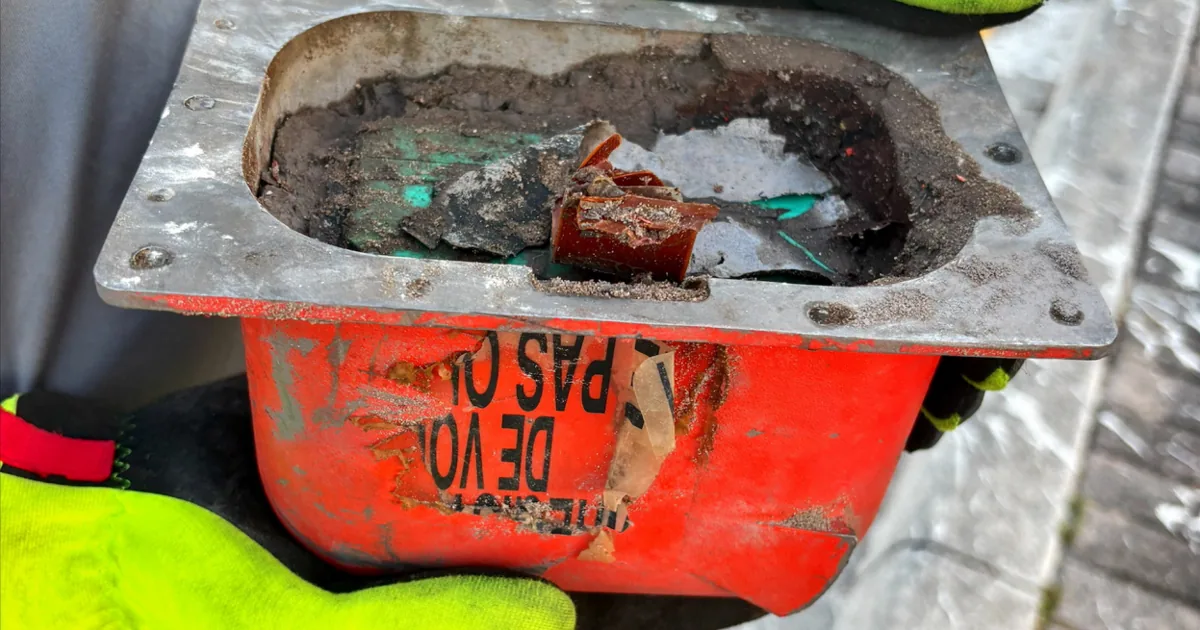
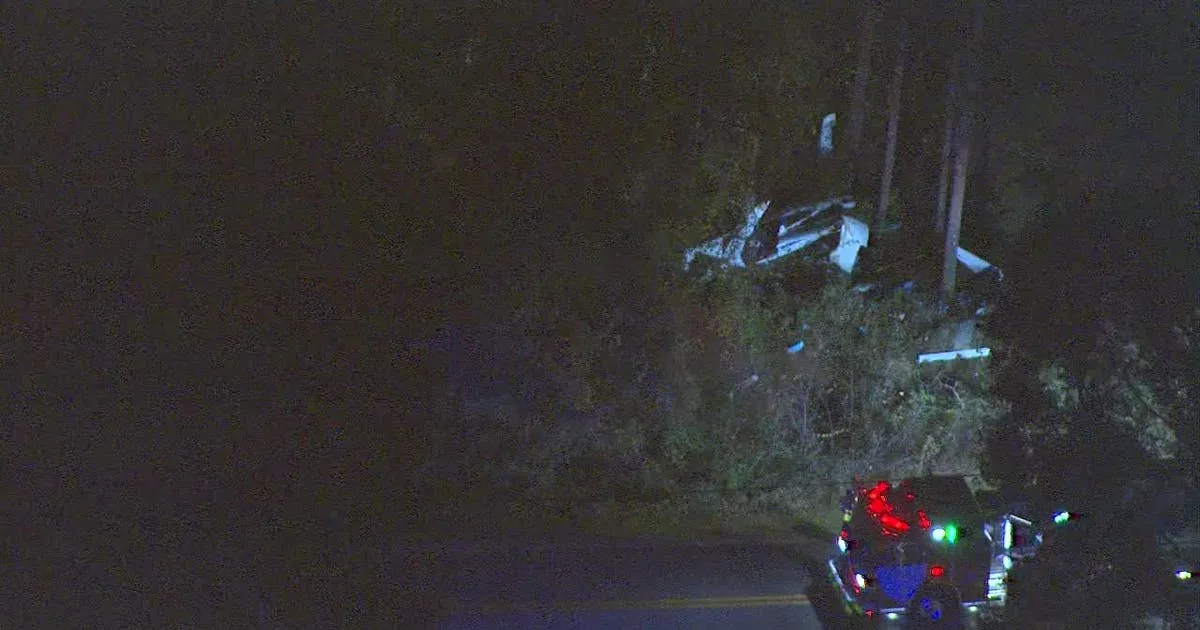
WASHINGTON, DC — Investigators have recovered the cockpit voice recorder from the Learjet 60 that crashed in Florida and killed all nine people aboard. The National Transportation Safety Board said the device was found at the initial impact site near Greenacres, where the jet went down on Nov. 1.
The recorder has now been moved to the NTSB’s Vehicle Recorders Laboratory in Washington, D.C., where specialists are evaluating it. The agency said excavation work at the impact site was completed on Monday, marking another step in the investigation into what caused the fatal crash.
The cockpit voice recorder is one of the most important pieces of evidence investigators can recover after an aviation disaster. It captures sounds and conversations from the flight deck and can help reconstruct the final moments before impact.
In this case, the NTSB has not said whether the recorder was damaged when it was found or whether any usable recordings can be retrieved. Those questions will likely be answered only after the laboratory review is completed. Until then, officials have released only limited information about what the device may reveal.
The recovery of the recorder gives investigators a direct look at one of the jet’s final data sources. That can be especially important in cases where there are no survivors and limited eyewitness information.
Among those killed were pilot Jeff Gregory, 55, and copilot Nathalia Filgueiras, 20. The other victims were identified as passengers Adam Robinson, 45, and his wife Helen Sharp, 40, along with their children Emma, 4, and Charlie, 2.
Also aboard were the children’s nanny, Anita Maria Cetina, 24, and family friends Rachael Reed, 38, and Charmi Fehr, 38. All nine people on the aircraft died in the crash, leaving investigators with a tragedy that involved an entire family group as well as the crew.
The list of victims shows the flight included both flight crew and passengers traveling together. The NTSB has not released additional details about their final moments or the condition of the aircraft before impact.
The Learjet 60 had left Austin, Texas, and was headed to North Eleuthera in the Bahamas when it crashed in Florida. That routing places the trip in the middle of a longer international journey that ended before the aircraft reached its destination.
The NTSB has not yet outlined a cause for the crash. With the recorder now in hand, investigators may be able to piece together cockpit actions, alerts, and conversations that preceded the impact near Greenacres.
Aviation investigations often rely on a combination of physical wreckage, flight recorders, and other evidence gathered from the crash site. In this case, the completion of excavation work suggests the field phase of recovery at the impact site has advanced significantly.
Often called a black box, the cockpit voice recorder is designed to preserve audio from the flight deck. Investigators use it to hear crew dialogue, alarm sounds, and other cabin or cockpit noises that can help establish a timeline of events.
Even if the recorder is damaged, technicians sometimes can recover partial or complete recordings. Those recordings may help determine how the crew responded to changing conditions in the seconds or minutes before a crash.
For the families of the victims, the recorder may eventually provide answers about what happened aboard the jet. For the NTSB, it is now one of the central pieces of evidence in a case that remains under investigation.
The NTSB said excavation at the initial impact site is complete, which suggests investigators have finished collecting the physical evidence they needed from the crash area. That work typically supports the laboratory phase, where recovered components are examined in more detail.
The agency has not announced when it expects to release findings or whether the recorder will produce usable audio. For now, officials are focused on analyzing the device in Washington and continuing to build a picture of what happened before the Learjet 60 crashed near Greenacres.
Because the crash killed everyone aboard, the recorder could play a central role in explaining the final moments of the flight. It may be the clearest remaining link between the wreckage on the ground and the sequence of events inside the cockpit.