 111
 2
 3
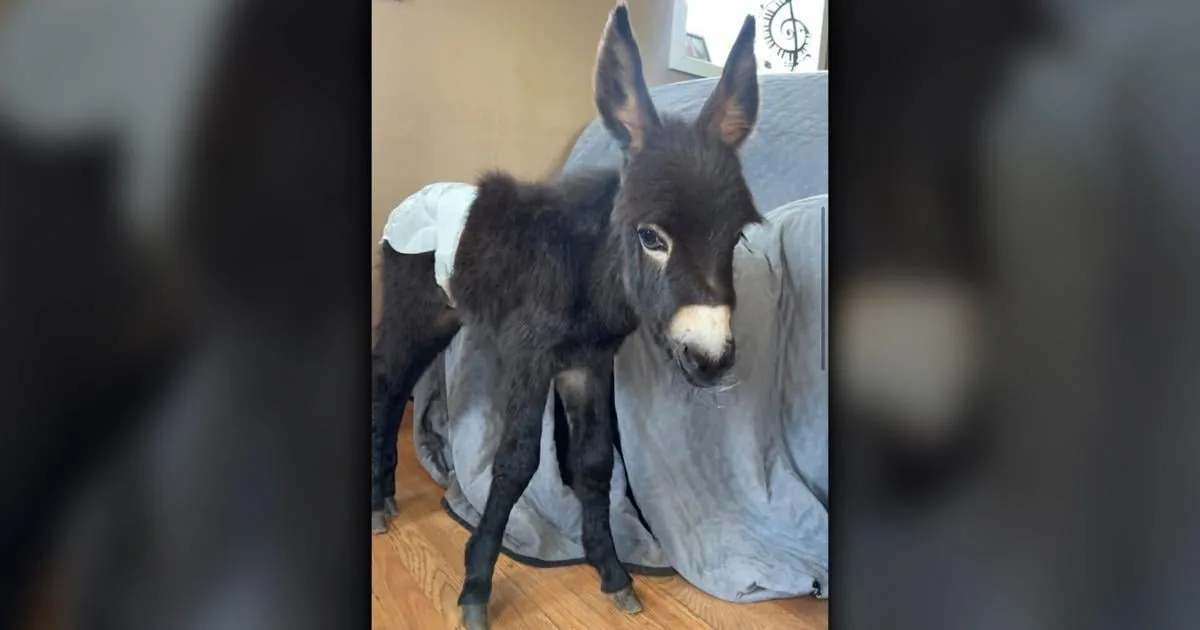
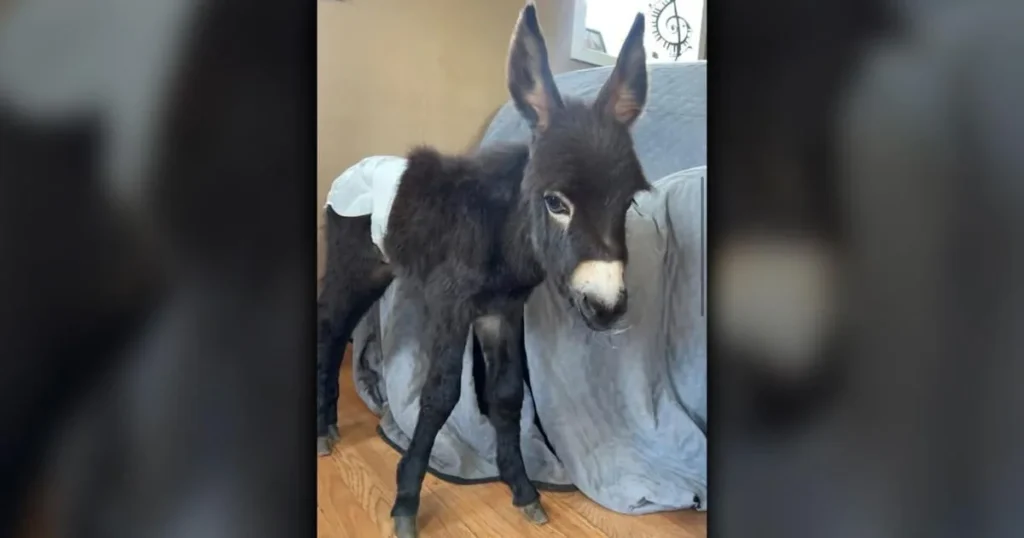
CEDARTOWN, GA — A Cedartown police officer has been legally cleared in the death of a pet donkey named Heehaw, after a district attorney concluded that the shooting could be justified as a response to perceived danger during a search for a missing child.
District Attorney Jaeson Smith said Officer Trenton Garner’s actions did not amount to criminal liability after reviewing the investigation and the available evidence. The case drew attention after body-camera footage showed the donkey moving toward the officer before Garner fired.
The ruling follows weeks of scrutiny over the encounter, which happened while law enforcement officers and K-9 teams were trying to locate the child in the area.
According to the information reviewed by prosecutors, Garner was one of three law enforcement officials involved in the search, along with K-9 units and a drone. The child was later found in a nearby church, but before that happened, officers came into contact with the donkey.
Video from Garner’s body camera shows Heehaw approaching him with its head raised and mouth open. Garner then shot the animal. Afterward, he told a dispatch operator that the donkey was trying to attack the officers.
Smith said the officer’s reaction, along with the response of others on scene, supported the conclusion that the animal was perceived as a threat at the time. That perception mattered to the legal analysis, even though the incident ended with the donkey’s death.
In his written explanation, Smith said a charge of aggravated cruelty to animals would require malice and would also have to overcome any statutory defense. He said the facts did not support that kind of criminal case once the full investigation was reviewed.
Smith wrote that Garner’s conduct “can be considered reasonable to protect others” based on the immediate sense of danger described by officers and a K-9 handler. He added that the evidence did not sustain criminal liability.
The prosecutor also pointed to the totality of the circumstances, saying the officer’s actions had to be considered in the middle of an active search for a missing child rather than in isolation.
Smith said the animal’s history also influenced the decision. A neighbor of Heehaw’s owners described an earlier incident in July in which the donkey allegedly attacked a small child at a camp.
The neighbor said the donkey bit the child and would run toward people “screaming and biting them.” That account became part of the case file and was cited as one more reason the animal could have been viewed as aggressive.
By including those earlier allegations, Smith said the September encounter did not exist in a vacuum. In his view, the past reports of dangerous behavior strengthened the conclusion that Garner’s response was legally defensible.
The clearance comes after the shooting had already sparked a separate legal fight. In September, Heehaw’s owner filed a federal civil rights lawsuit over the donkey’s death, saying officers entered her property without permission or a warrant.
The complaint said police tased and shot the animal during the search for the missing child. It also claimed the donkey was small, calm, and not a threat to law enforcement.
According to the filing, officers left the farm without telling the owners that Heehaw had died. The owner is seeking compensatory and punitive damages, along with court costs, in the federal case.
Smith’s decision addresses possible criminal liability, not the separate civil lawsuit now pending in federal court. That means the legal fight over Heehaw’s death is not necessarily over, even though the district attorney has concluded no criminal charge is justified.
Garner had previously been placed on leave while the matter was investigated. The district attorney’s ruling now gives the officer a formal legal clearing on the criminal side of the case.
The incident has become a closely watched example of how quickly a search for a missing child can turn into a deadly confrontation with an animal on private property. For now, the prosecutor’s position is that the officer’s actions were reasonable under the circumstances.