 111
 2
 3
NEW ORLEANS, LA — A Lakeview family’s crash is fueling a wider debate in Louisiana over whether current e-bike rules are enough to protect children and other riders. Thirteen-year-old Philip Hannan suffered multiple serious injuries after he missed a stop sign on his way home from Creole Creamery and collided with an SUV just blocks from his house.
His father, JT Hannan, said the teen broke an ankle, suffered an open tib-fib fracture with bone exposed, broke his wrist and nose, and sustained a severe concussion. He said Philip’s helmet likely prevented an even worse outcome. The crash has left the family asking whether young riders fully understand how powerful some of today’s e-bikes can be.
The Hannans’ experience is one example of a problem that parents and safety advocates say is growing as e-bikes become more common. JT Hannan said his son did not appreciate how much faster and heavier the bike was compared with a traditional bicycle, especially without the judgment and experience to match that speed.
Louisiana Highway Safety Commission officials recently urged riders of all ages to learn the limits of their bikes and handle them carefully. They also said state law has not kept pace with the technology, leaving families, police and local governments to figure out how to respond as injuries rise.
Advocates say the issue is not only about speed, but about whether children are mature enough to ride powerful models in traffic. That has led to calls for clearer age limits, training requirements and better guidance for parents who may be buying e-bikes without fully understanding the risks.
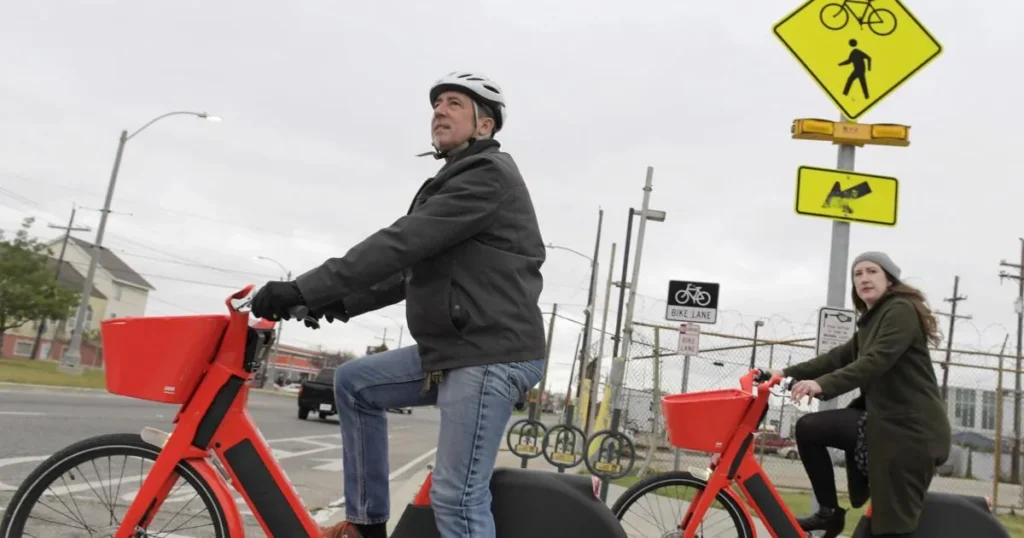
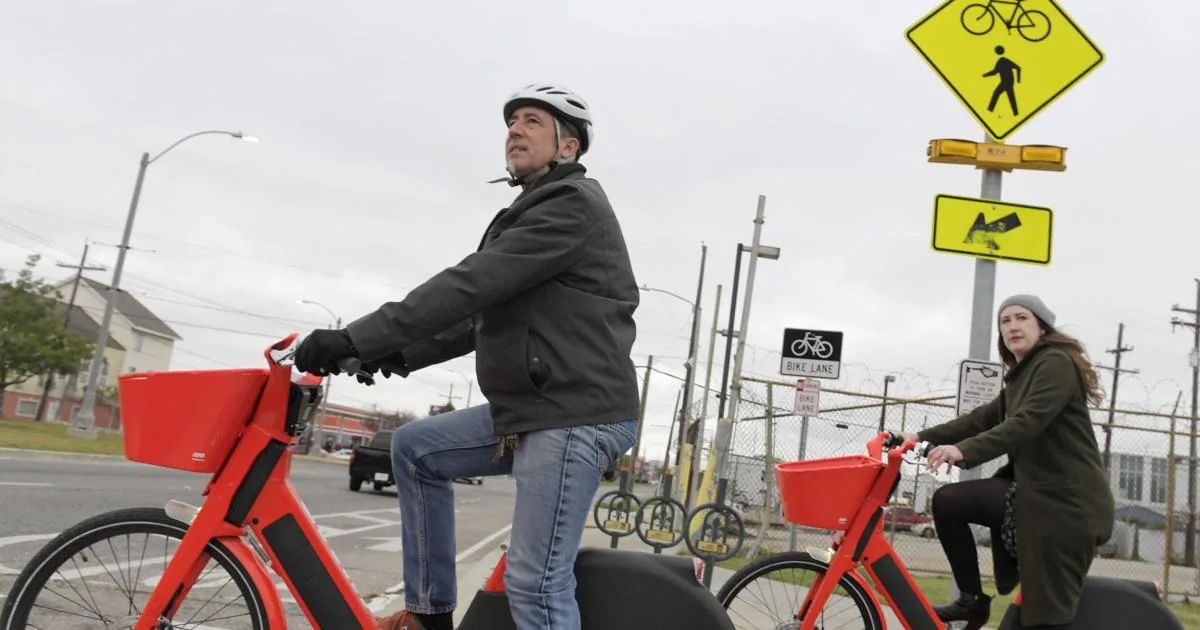
Louisiana uses a three-tier classification system for e-bikes. Class one bikes are pedal-assist only. Class two bikes use a throttle. Both top out at 20 mph and have no age requirement under current state rules.
Class three e-bikes can reach 28 mph and require a helmet. They may be operated only by people 12 and older. But officials say some owners are modifying bikes with internet-purchased conversion kits so they can go even faster, creating a legal gray area.
New Orleans attorney Charlie Thomas, who specializes in bike law, said the state does not clearly define those altered machines. He said the lack of definitions makes it difficult to know whether some bikes are legal, where they may be ridden and how they should be treated by law enforcement.
Some local governments are moving ahead on their own. In September, St. Charles Parish adopted an ordinance aimed at two-wheeled vehicles that can exceed 28 mph. Under the parish rule, riders need a Louisiana driver’s license, license plate, registration, insurance and an approved helmet.
The ordinance also says children under 12 must wear headgear on all e-bikes, while riders 17 and under must wear helmets on class one and class two bikes. Sheriff Greg Champagne said complaints about e-bikes have become one of the biggest issues he hears from residents, even ahead of more traditional crimes.
Champagne said the parish reported three e-bike incidents in a single week recently. That kind of local pressure, officials say, is part of what is pushing the state conversation forward.
Thomas said Consumer Product Safety Commission data show a dramatic rise in injuries involving children under 14. In 2020, there were 276 injuries in that age group. By 2025, the number had climbed to 17,206, a 62-fold increase.
He also cited data showing 100,000 e-bike-related hospitalizations last year. The numbers have added urgency for law enforcement officials who say a quick ride can turn into a serious or fatal crash in seconds.
Louisiana State Police Troop B Commander Capt. Joey Piglia said traffic laws still matter on an e-bike. He warned that safety can’t be optional. The New Orleans Police Department reported four e-bike-related deaths between April and July, underscoring how severe the consequences can be when riders lose control or ignore traffic rules.
State Rep. John “Big John” Illg, a Republican from Metairie, said he plans to file legislation in January that would require e-bike riders to have a license, similar to Louisiana’s requirements for golf carts on public roads. He said riders should at least know how to handle the roads before using faster vehicles.
Illg argued that parishes should not be left to write their own separate standards, and said stronger rules should apply across Louisiana. He acknowledged there could be pushback, but said protecting the public has to come first.
For the Hannan family, the issue is personal. Philip spent six weeks in a wheelchair and had screws removed from his leg last Tuesday. His father said many of the boy’s friends had gotten e-bikes too, and he now believes some models should not be allowed for children under 16.