 111
 2
 3
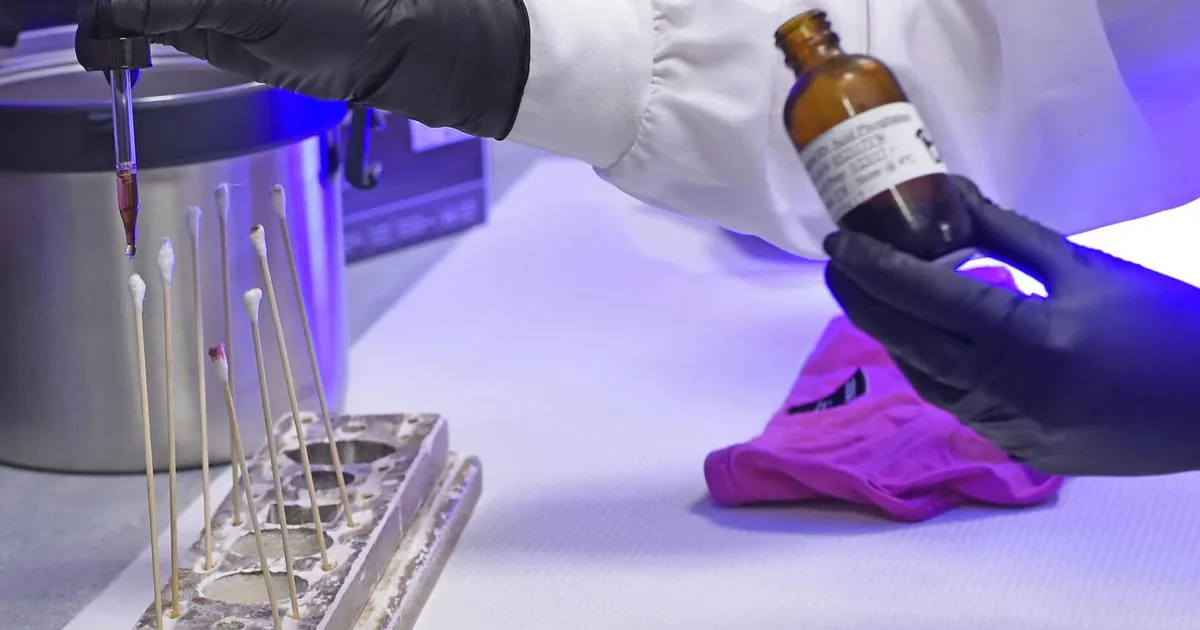
BATON ROUGE, LA — Nearly one in five sexual assault evidence kits collected in Louisiana over an 18-month span never made it to a crime lab, according to a new audit from the Louisiana Legislative Auditor. The review also found that more than a quarter of the kits collected during that period were not picked up from medical facilities or submitted to laboratories within deadlines set by state law.
Auditors said the missed deadlines can delay DNA testing and leave investigators without evidence that could help identify suspects or connect cases. The findings come as Louisiana continues to work through a tracking system created to monitor each kit from collection through testing.
The audit examined sexual assault kits reported by law enforcement agencies between July 2024 and December 2025. Of nearly 1,900 kits reported during that time, 337 — about 18% — had not been submitted to a crime lab as required by law.
Auditors also said 560 of more than 2,100 kits collected during the same period, or about 26%, failed to meet the state’s pickup and submission deadlines. Louisiana law now requires police to collect a completed kit from a medical facility within 72 hours of being notified and send it to a crime lab within 30 days of collection.
The review said those rules were adopted in 2023 after concerns that too many kits were sitting unused.
The audit describes a process that begins when a medical facility completes a sexual assault evidence kit for a victim and notifies law enforcement. Police then collect the kit, submit it to a state crime lab, and wait for forensic results that can support an arrest or inform prosecutors.
Morgan Lamandre, president and CEO of Sexual Trauma Awareness and Response, said speed matters because survivors often want to know their cases are being treated seriously. She said delays can leave people feeling ignored and forgotten.
Lamandre also said DNA results can be critical when a survivor cannot clearly identify an attacker, especially if a profile matches another case in the national registry. In that situation, she said, the evidence may be enough to establish probable cause for a warrant.
The audit singled out Baton Rouge Police Department data as a major concern. State law requires pickup within 72 hours, but auditors said Baton Rouge officers were late about 55% of the time, meaning kits were often collected more than four days after notification.
By comparison, New Orleans police collected kits late about 15% of the time, while Lafayette police were late 2% of the time. Across agencies, pickups were late about 16% of the time on average.
Submission delays also stood out. Baton Rouge police sent kits to a crime lab outside the 30-day window 46% of the time, while the rate was about 18% for other departments. New Orleans was late 2% of the time, and Lafayette was late 4% of the time.
Lamandre said she believes Baton Rouge’s numbers reflect staffing problems in the department’s Special Victims Unit. She said good detectives are working difficult cases, but the unit may not have enough people to keep up with the volume of sexual assault reports.
Baton Rouge police did not respond to a request for comment Monday. The audit also found that some kits go untested for other reasons, including cases in which victims later become uncooperative or no longer want testing.
Still, the auditor said more than 40% of the law enforcement agencies surveyed reported that they send kits to a crime lab only if they plan to investigate the case. That approach conflicts with state law, which requires agencies to submit the kits they collect.
State Sen. Beth Mizell, a Republican from Franklinton, sponsored the 2023 law that tightened Louisiana’s kit-handling requirements. She said the tracking system has reduced the state’s backlog since it was rolled out in 2024, but she agreed the audit shows agencies still need to do more.
Mizell said she was frustrated that the state still has to push so hard for a process that should already be a clear priority. She also said missed submissions can keep DNA out of the national registry and make it harder to identify repeat offenders.
During the 18-month period reviewed, crime labs took an average of 140 days, or about five months, to complete forensic DNA testing. The audit said that delay adds to the importance of getting kits picked up and submitted on time.
The Louisiana Legislative Auditor’s findings suggest the state’s new tracking system is improving oversight but not fully fixing the process. The main concern is not just whether kits are collected, but whether they move quickly enough from medical facilities to police and then to the lab.
When that chain breaks, the audit says, investigators may lose access to DNA that could link a suspect to a case or connect multiple assaults. The state’s own data now show those gaps still happen often enough to raise questions about compliance, staffing, and accountability across agencies.