 111
 2
 3
MIAMI, FL — Investigators are only at the start of a long search for answers after a Learjet crashed in Florida during severe weather, killing all nine people on board. The National Transportation Safety Board is leading the inquiry, and officials say it will likely take more than a year to determine exactly what caused the tragedy.
Early clues are already shaping the investigation. Witness videos, radio traffic and the possibility of a cockpit voice recorder could help investigators reconstruct the final moments as the aircraft encountered turbulence, ice buildup and a storm system that appears to have changed rapidly.
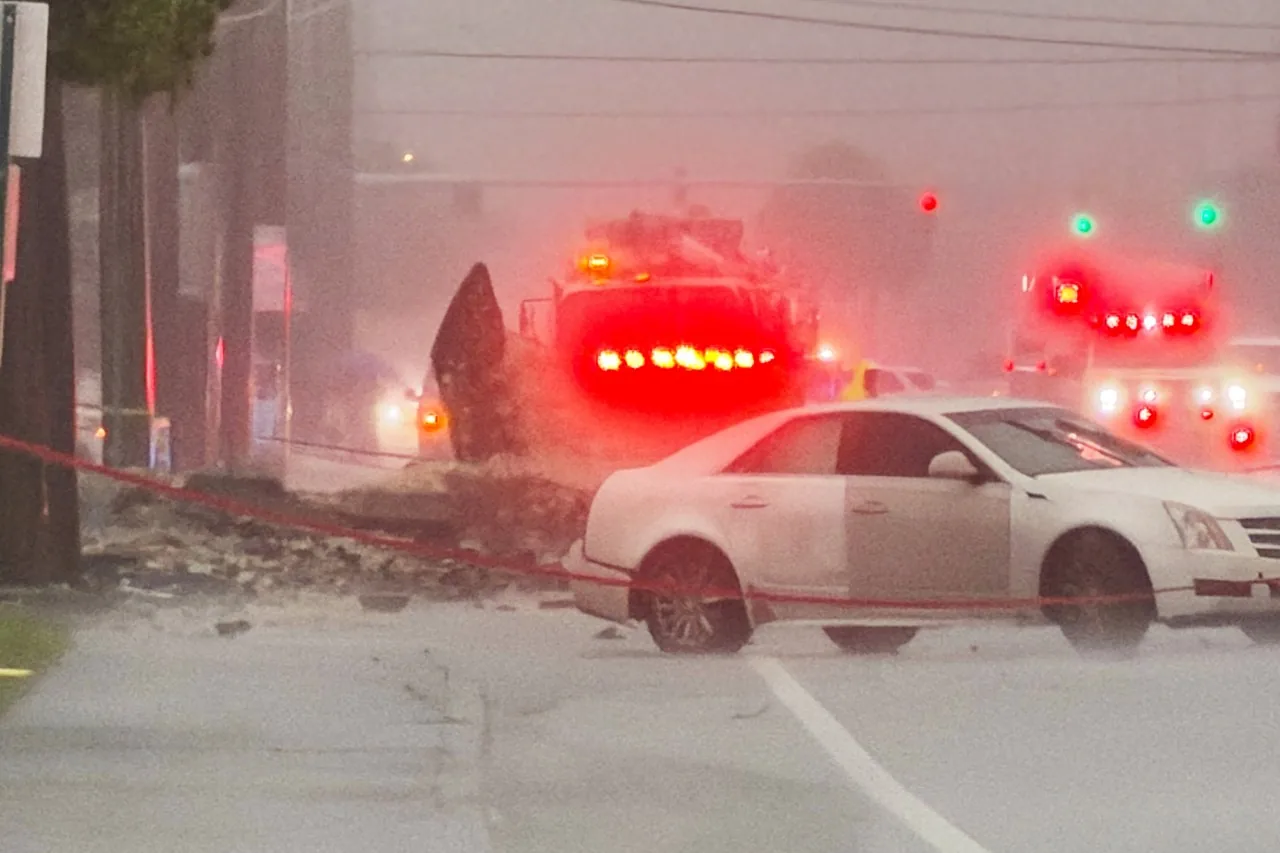
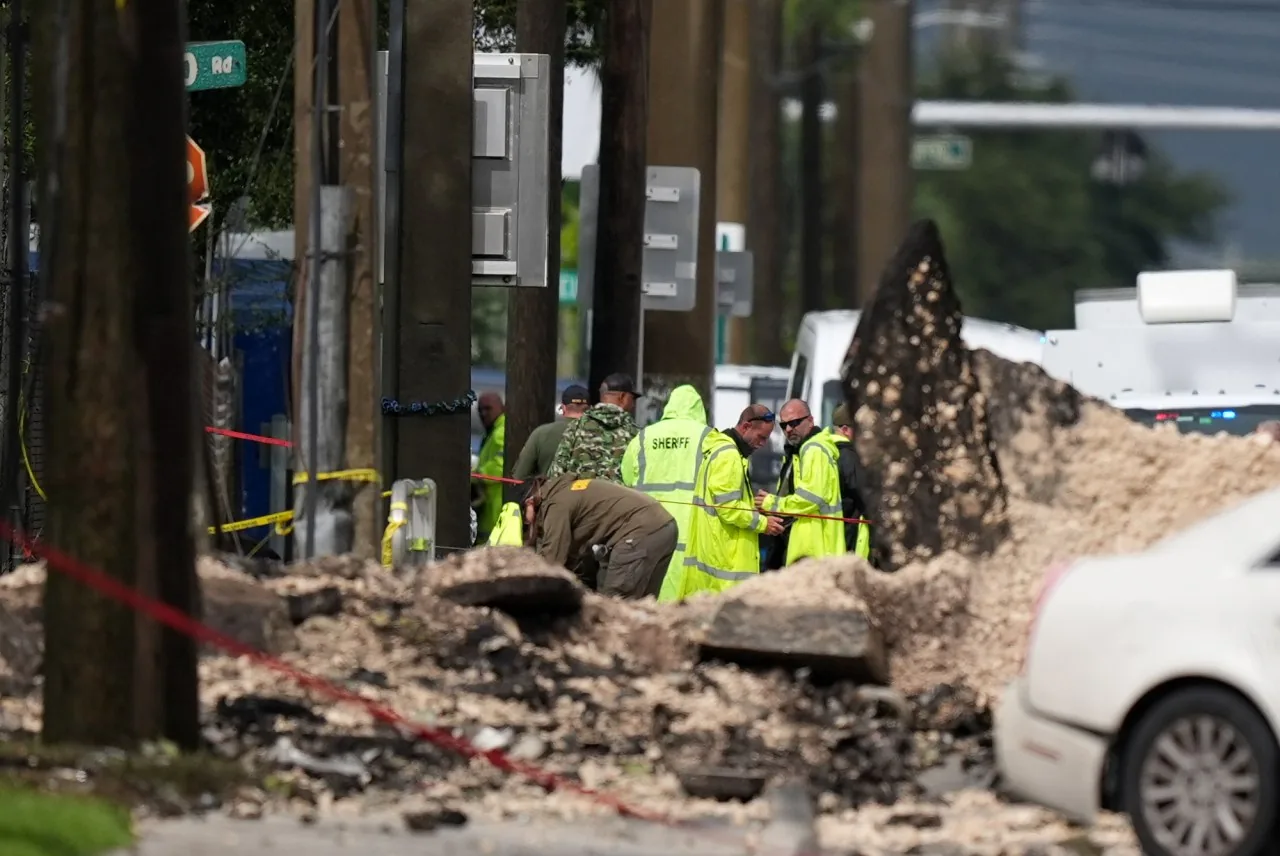
NTSB investigators are now collecting every piece of wreckage they can find, a process that will take days and may be slowed by heavy rain in Florida. Officials said parts of the elevator, a tail component that helps control the aircraft’s nose angle, were found more than a mile from the main crater.
That debris pattern suggests the plane started to come apart before it hit the ground. Rainwater was filling the crater, likely submerging some fragments, and a utility pole had to be removed from the site. The NTSB has asked anyone who finds airplane debris to report it so investigators can retrieve it.
One of the most important items investigators are searching for is the cockpit voice recorder. If it is found intact, it could show what the pilots were saying as conditions worsened and the aircraft lost control. NTSB member Tom Chapman said that kind of information would be extremely valuable.
Chapman also stressed that the investigation can continue even if the recorder is never recovered. He said NTSB specialists are trained to piece together events from physical evidence, radar data and witness accounts. The agency’s mission, he said, is not only to determine what happened, but why it happened and how to prevent a repeat.
Weather is likely to remain the first major focus of the inquiry. The co-pilot told air traffic controllers that the jet was being tossed more than 700 feet up and down while asking for a better route through the area. Investigators are still trying to determine why the crew did not fly around the storms.
Retired airline pilot and aviation safety expert John Cox said he does not understand why the aircraft descended from its cruising altitude of 41,000 feet as it approached the storms. He said the pilots appeared to steer around a larger storm cell but then moved toward a smaller one that developed quickly.
Investigators will look at whether the crew knew the storm cell was ahead, what their weather radar showed and whether they checked other weather services before continuing. The NTSB will work with the National Weather Service and the Federal Aviation Administration as part of that review.
While two news conferences have already offered early details, the agency says the next major step is a preliminary report expected in about a month. That document will outline factual findings about the crash, but it will not assign a cause or offer analysis.
The evidence will be moved to a secure hangar, where investigators can test intact parts and may try to reassemble sections of the airplane. Because the fire and impact damaged so much of the jet, the reconstruction will be difficult. Even so, investigators say that kind of hands-on work can reveal how the aircraft failed.
The NTSB says it will also examine broader factors beyond the weather. That includes maintenance records, any previous problems involving the aircraft and interviews with people connected to the flight. Investigators plan to speak with officials at Upper Jets, the company that operated the trip, along with air traffic controllers and workers at the Texas airport where the jet departed.
Videos and photos taken by bystanders may also provide important detail, and investigators will collect any surveillance footage that could show the crash itself. In some high-profile accidents, the NTSB holds public hearings to question key participants, but those meetings are not guaranteed. The agency is one of the few that can reconstruct a crash in depth, though its recommendations are not binding on regulators.
The NTSB says a typical crash investigation takes 12 to 18 months, though complicated cases can take longer. The agency has roughly 400 employees handling more than 1,200 active investigations at once, which means major accidents often move through a long and careful process.
When the final report is complete, it will spell out what happened and identify probable cause. It may also include safety recommendations for the FAA, the industry or Congress. But the board cannot force those changes, and officials note that even well-supported recommendations can take years to become policy or may never be adopted at all.