 111
 2
 3
BILOXI, MS — Six members of an extended Florida family were killed when a Cessna 210 crashed into the Gulf of Mexico off the Mississippi coast on Tuesday, authorities said. The family had been returning home from a fishing trip when the aircraft went down about two miles northeast of Horn Island.
Jackson County Coroner Bruce Lynd Jr. identified the victims as pilot Brent Stokes, 50; his 16-year-old son, Hunter; Stokes’ sister, Arlyn Knox, 43; her husband, Michael Knox, 43; and the couple’s sons, Charles Holden Knox, 12, and Truett Knox, 10. The family said in a statement that they “died doing what they loved” while celebrating the start of the holiday season.
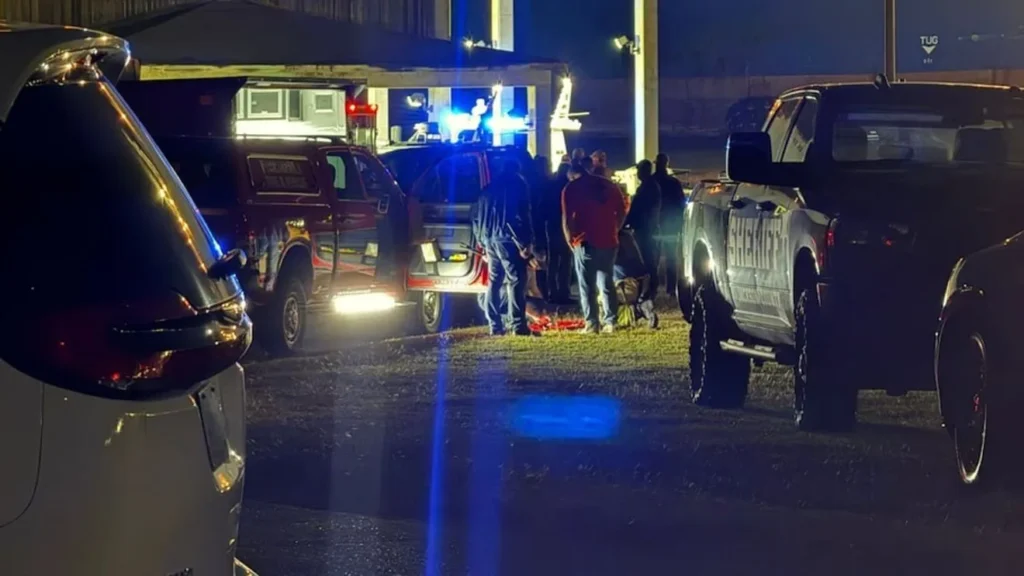
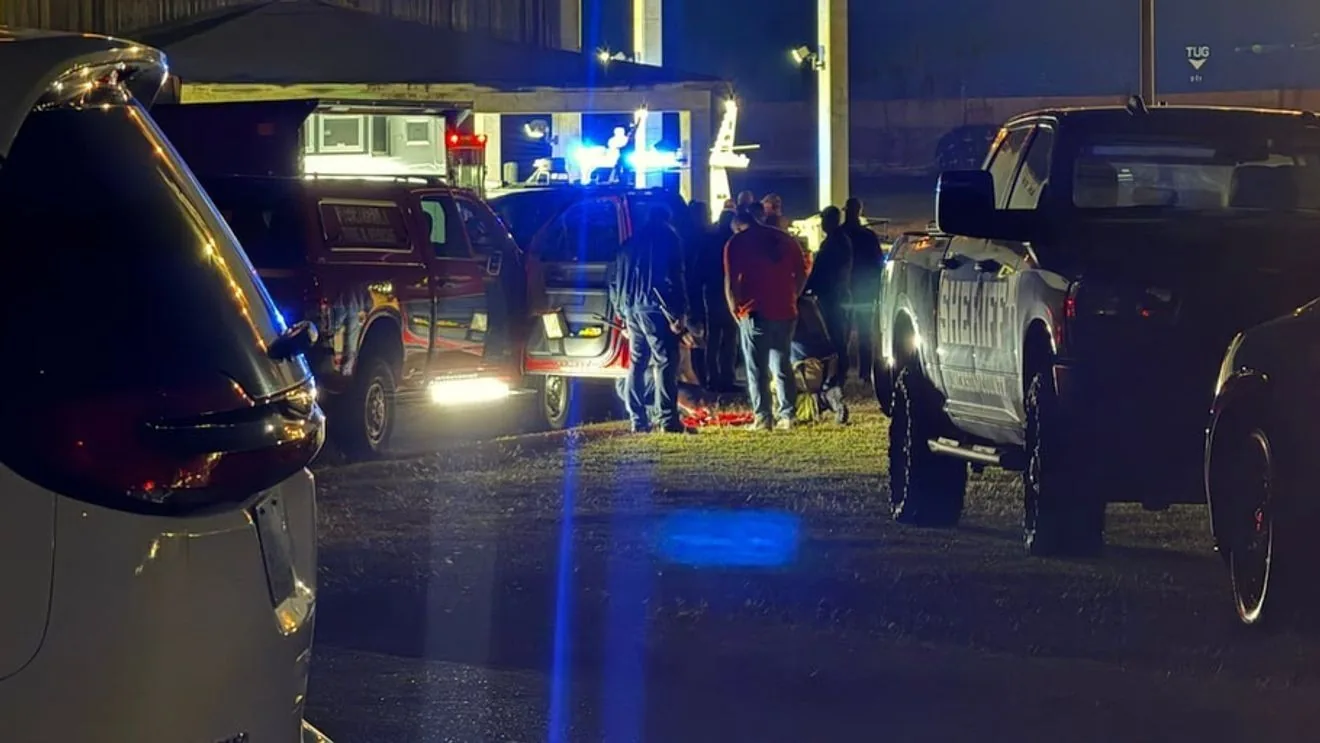
The Mississippi Department of Marine Resources deployed divers who found all six people inside the plane’s fuselage after a search that lasted about four hours, the Coast Guard said. The recovery effort ended in a heartbreaking confirmation for relatives waiting on shore and for crews working the scene offshore.
Cmdr. Trevor Blount, the Coast Guard Sector Mobile search and rescue mission coordinator, called the outcome devastating and said the teams were grateful for the interagency effort that helped locate the aircraft quickly. He said the coordination allowed officials to provide closure to the families as soon as possible.
Horn Island, where the crash site was located near, is a remote barrier island that can be reached only by private boat. It sits within Gulf Islands National Seashore, a chain of islands stretching across Mississippi and Florida.
The Coast Guard said it was notified at about 3:45 p.m. local time Tuesday after air traffic controllers lost contact with the Cessna. Authorities have not announced what caused the plane to go down.
FlightAware showed the aircraft was traveling from New Orleans to Fort Myers, Florida. That route placed the family over the northern Gulf of Mexico when contact was lost and the emergency response began.
Officials have not released additional details about the flight path, weather conditions, or any distress call. For now, the timeline is limited to the lost contact, the notification to the Coast Guard, and the later discovery of the wreckage and victims.
The crash claimed two generations of the same family, including a father and son, a married couple, and two young boys. The family’s statement emphasized that they were on the way home after a trip that marked the beginning of the holiday season.
Brent Stokes was identified as the pilot, while the other victims were his son, sister, brother-in-law, and nephews. The ages released by the coroner ranged from 10 to 50, underscoring the scale of the loss to one family.
Authorities have not said where the family had been fishing or how long they had been away. What is known is that the trip ended in tragedy over the Gulf, leaving loved ones to await formal findings from investigators.
The National Transportation Safety Board is leading the investigation into the crash, with assistance from the Federal Aviation Administration. That process will determine what happened in the air and whether mechanical issues, weather, human factors, or other causes played a role.
So far, the cause of the crash has not been announced. Investigators typically examine aircraft maintenance records, witness accounts, radar data, communications, and debris patterns before reaching any conclusions.
Until that work is complete, officials are treating the cause as unknown. The recovery of the victims marked the end of the search phase, but the investigation into why the plane went down is just beginning.
Horn Island’s location made the response more difficult than a crash near a highway or airport. The island is about 12 nautical miles from Biloxi and is accessible only by private boat, which limits how quickly crews can reach the area.
The Coast Guard said the interagency response included its own personnel along with state marine resources divers. That cooperation helped narrow the search area and recover the victims from the fuselage in relatively short order given the offshore location.
The island’s setting inside the national seashore also meant the response unfolded in open water near a protected stretch of coastline. For the family, officials said, the coordinated effort at least brought a fast answer after the plane vanished from contact.