 111
 2
 3
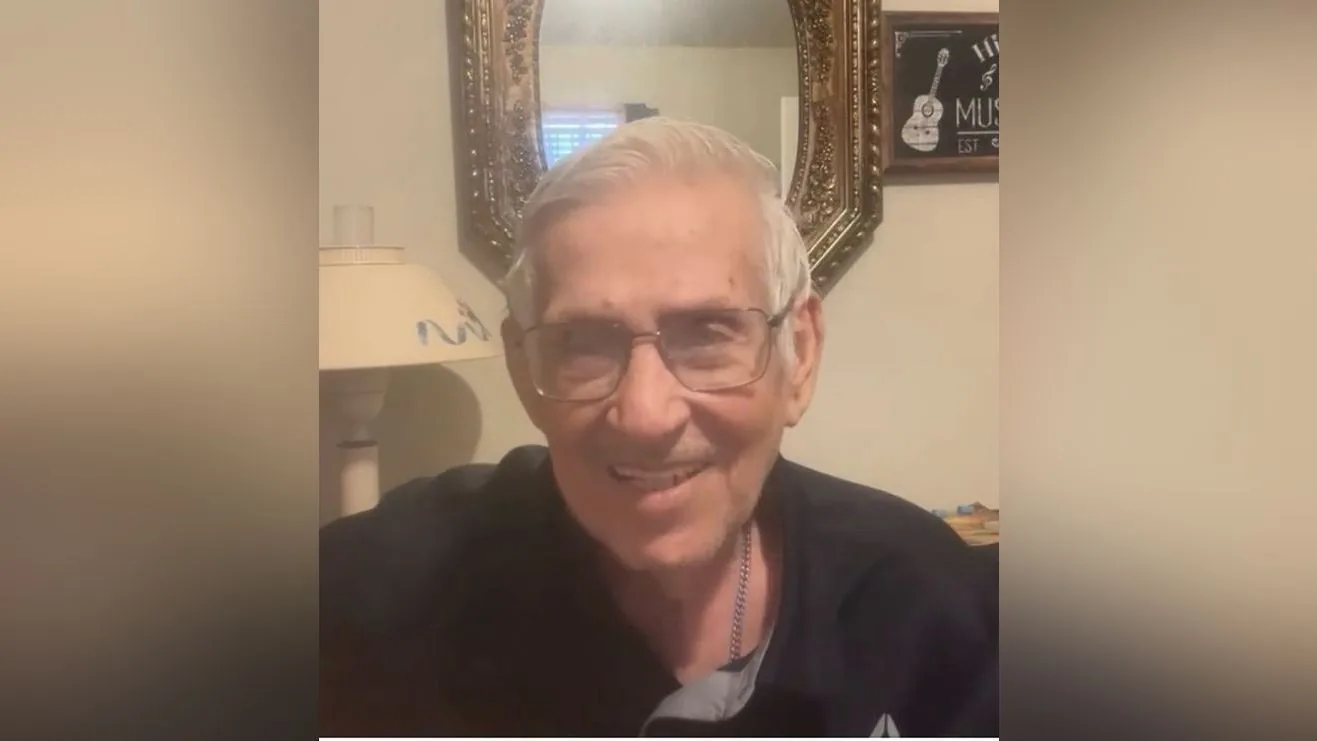
SMYRNA, TN — Metro Nashville police say an 87-year-old Louisiana man who was reported missing in the Smyrna area has been found safe. Hilton Reed had left Denham Springs, Louisiana, early Tuesday, according to police, and his disappearance prompted concern as officers worked to locate him in Middle Tennessee.
Police announced Wednesday night that Reed had been found safe and sound. The update ended a short search that drew attention to his whereabouts after he was last known to be traveling in the region. Officials did not immediately provide additional details about where he was found or how he was located.
According to Metro Nashville police, Reed began his trip in Denham Springs, Louisiana, early Tuesday. That detail gave investigators a starting point as they tried to figure out where he may have been headed and when he was last known to be traveling.
The missing-person alert centered on the Smyrna area, which sits southeast of Nashville and often serves as part of the broader metro area that police cover. While the exact circumstances of Reed’s disappearance were not released, authorities treated the case as a welfare concern involving an elderly traveler who could have become disoriented.
Reed’s age was a central factor in the response. At 87, he fell into a group that can be especially vulnerable if they become separated from family, lose direction, or run into trouble while driving or traveling alone.
By Wednesday night, police had the answer they were hoping for. Metro Nashville police said Reed was found safe and sound, ending the immediate search effort and easing concerns about his condition.
Authorities did not say whether Reed was found by officers, by family members, or through another tip. They also did not release a detailed timeline of the discovery, beyond confirming that he had been located after being reported missing.
The wording of the police update suggested relief rather than urgency, signaling that Reed was no longer in danger and that the case had shifted from a search to a recovery effort. No further public information was provided about his condition beyond the statement that he was safe.
Police also said Reed has gotten lost in the past, a detail that may have helped explain why officers and family were concerned enough to act quickly. That history suggests this was not the first time he had experienced confusion about his location while traveling.
For older adults, even routine trips can become risky when mobility, memory, or orientation issues interfere with travel plans. In cases like this, police often move quickly because every hour matters when a vulnerable person cannot be easily reached.
Metro Nashville police did not elaborate on those earlier incidents, and they did not say whether Reed had any medical condition or other issue that contributed to the disappearance. Still, the brief remark indicated that officers viewed him as someone who may need extra attention if he travels again.
The case did not include any report of criminal wrongdoing, and police did not indicate that foul play was suspected. Instead, the focus stayed on finding Reed and confirming that he was safe.
No arrests or charges were mentioned in connection with the missing-person case. Police also did not describe any scene, incident, or hazard connected to Reed’s disappearance, leaving the public record limited to his travel from Louisiana, the missing alert in Smyrna, and the later recovery notice.
That limited information is common in quickly resolved welfare cases, especially when officers are trying to protect privacy while still reassuring the public that the person has been located.
Cases involving older adults often move fast because confusion, exhaustion, and travel delays can create serious risk. A person who becomes lost may not be able to describe where they are, reach a phone, or recognize landmarks well enough to ask for help.
In Reed’s case, police confirmation that he had been found safe gave family members and others following the alert the outcome they were hoping for. It also shows how quickly local agencies can spread the word when an elderly traveler disappears in or near a major city.
For families, the case is a reminder to keep travel plans, contact information, and arrival times clear when an older relative is on the road. When someone with a history of getting lost goes missing, even a brief delay can prompt a broad response from police.