 111
 2
 3

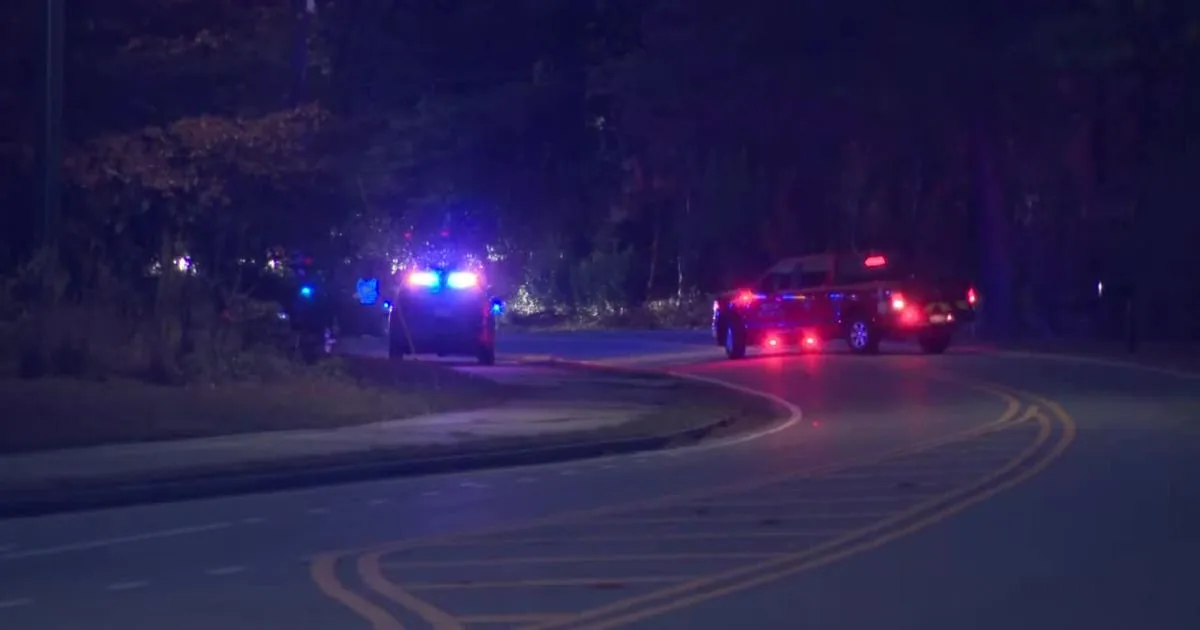
GROSSE TETE, LA — All eastbound lanes of Interstate Ten were closed near Grosse Tete after a fatal multi-vehicle crash, according to the Louisiana Department of Transportation and Development. The shutdown is centered at mile marker 146.
Drivers in the area were urged to expect delays and use another route while crews responded and traffic built up behind the closure. Transportation officials said congestion had already reached Louisiana Route 77 near Grosse Tete.
The closure affects every eastbound lane on one of Louisiana’s busiest travel corridors. With no lanes open at the crash location, vehicles approaching the area have been forced to stop, slow dramatically or divert before reaching the scene.
The Louisiana Department of Transportation and Development identified mile marker 146 as the point of the shutdown. That location places the closure near Grosse Tete, a spot where even a serious crash can quickly ripple across a wide stretch of interstate traffic.
Officials did not immediately provide a timetable for reopening the road. For now, the lanes remain closed while the crash response continues and drivers are left to find alternate paths.
The impact was not limited to the interstate itself. By the time traffic information was updated, congestion had already reached Louisiana Route 77 near Grosse Tete, showing how quickly the eastbound closure was affecting the surrounding road network.
When a major interstate closes completely, nearby connectors and frontage routes often absorb the overflow. In this case, that means drivers in the region may see slower travel well beyond the actual crash scene, even if they are not headed directly onto I-10.
Anyone traveling through the area was advised to build in extra time and plan for delays. The state transportation department also encouraged motorists to choose an alternate route if possible.
A total lane closure on an interstate can quickly create a regional problem, especially on a route like I-10 that carries long-distance travelers, commuters and freight traffic. When all lanes are blocked, vehicles have no way to pass through the affected section until the roadway is cleared.
That often means backups start quickly and continue growing as more drivers approach the scene. In this case, the warning about delays came soon after the crash was reported, reflecting how fast traffic can stack up on a heavily used highway.
Even short shutdowns can have a broad effect if the closure happens during active travel periods. Drivers may need to reroute onto smaller roads that are not built to carry the same amount of traffic.
The Louisiana Department of Transportation and Development advised motorists in the area to look for another way around the closure. That guidance is meant to keep traffic moving away from the blocked section and reduce the chance of additional congestion near the crash site.
For travelers already close to Grosse Tete, the best option may be to slow down early, watch for detour signs and avoid entering the backup if a safer alternate route is available. Once traffic becomes heavily congested, even short movements can take much longer than usual.
No further details about the crash were released in the initial update, including what caused it or how many vehicles were involved beyond the description of a multi-vehicle wreck.
Until the roadway is reopened, eastbound drivers should expect delays and changing traffic conditions near mile marker 146. Those conditions can shift as response crews work around the crash scene and as traffic continues to reroute.
Travelers heading through this part of Louisiana may want to check for updated traffic information before leaving, especially if they plan to use Interstate Ten or connect to Louisiana Route 77. A detour could take longer than usual, but it may still be faster than waiting in the backup.
For now, the key message from transportation officials is simple: avoid the closed lanes if possible and be prepared for slower-than-normal travel near Grosse Tete.