 111
 2
 3
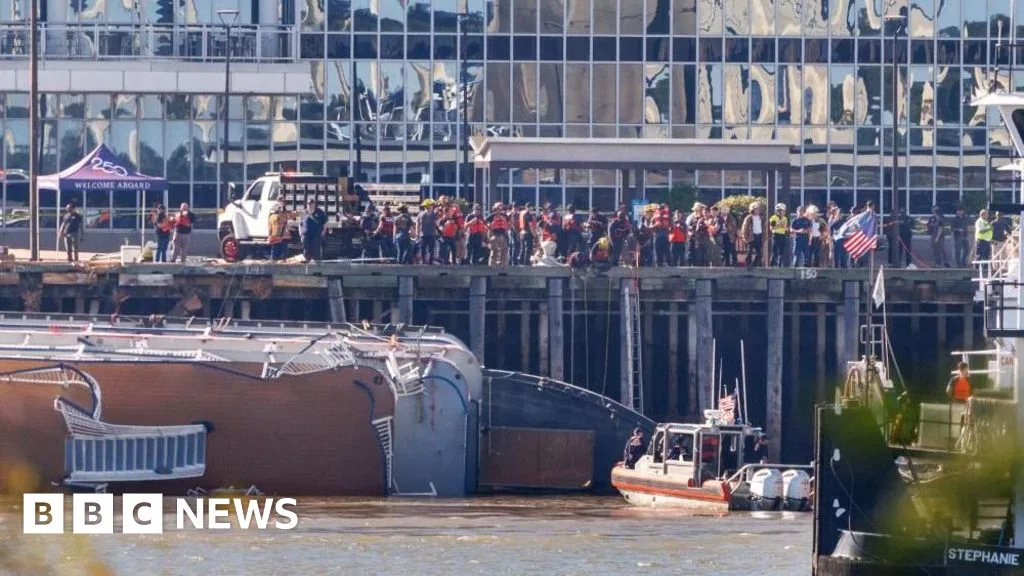
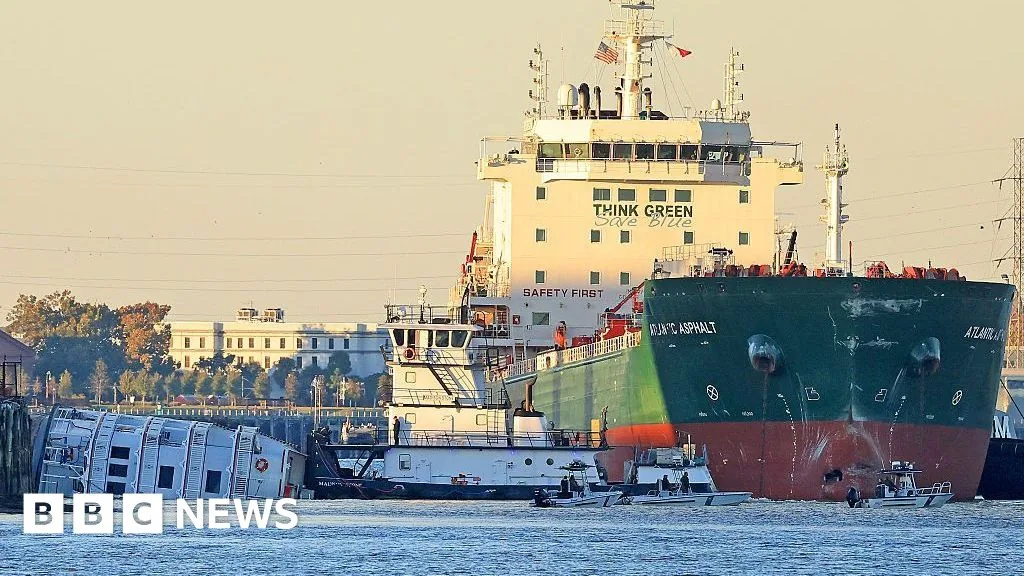
NEW ORLEANS, LA — A cargo tanker that struck a docked cruise ship in New Orleans on Friday suffered a steering failure before the collision, according to preliminary findings released by the National Transportation Safety Board.
Investigators said the exact cause of the steering problem remains unknown, but they are examining several possible types of “steering casualty” aboard the Atlantic Asphalt vessel. The crash injured 32 people from the American Heritage riverboat, all with non-critical injuries, and everyone on board was accounted for after the incident.
The NTSB said the tanker’s voyage data recorder shows the ship was moving upbound on the Mississippi River and drifting toward the east bank shortly before impact.
At a Sunday briefing, NTSB investigator-in-charge Bart Barnum said officials believe the steering issue left the rudder stuck at a starboard position. That would have caused the tanker’s heading to swing toward the east bank of the river.
Barnum said the precise mechanical or operational problem has not yet been determined. The agency is still reviewing evidence to figure out what caused the steering casualty in the first place.
The NTSB said audio from moments before the collision included what sounded like the ship’s warning system, followed by commands to deploy anchors and carry out emergency ship-handling actions. Officials have not said whether those steps happened in time to stop the crash.
The collision took place around 1:30 p.m. EST on Friday, when calls about the emergency began coming in, according to Port of New Orleans chief Melanie Montroll. She said people started trying to help passengers get off the boat as it took on water.
The American Heritage had about 129 passengers aboard, along with crew members, the port authority said. As the paddlewheeler started to list, passengers began leaving the vessel before it tipped onto its side.
The riverboat is operated by American Cruise Lines and had been finishing an eight-day trip that called at destinations in Louisiana and Mississippi along the waterway.
After the crash, tugboat operators, police and other rescuers moved quickly to help people off the vessel and stabilize the scene. Officials also shut down traffic on the Mississippi River during the rescue effort.
The emergency response focused on getting passengers clear of the listing boat and accounting for everyone on board. According to the port authority, no one was left unaccounted for once the rescue operation was underway.
The urgency of the response reflected the danger of the vessel taking on water and rolling over on its side. Officials said the scene remained active as crews worked through the aftermath of the collision.
Investigators are relying heavily on the tanker’s voyage data recorder to reconstruct what happened in the final minutes before the collision. That record shows the vessel moving toward the east bank of the Mississippi before impact.
The NTSB also said it is looking broadly at what could qualify as a steering casualty, since that term can cover a range of problems. Officials have not narrowed the issue to one specific cause yet, and they are still gathering evidence from the vessel and the scene.
For now, the agency’s findings point to a steering failure as the immediate problem, while the underlying reason for that failure remains unresolved.
The NTSB said it expects to release a preliminary report in about 30 days. That report should provide a fuller picture of the collision, though the agency has already made clear that the final cause has not yet been identified.
Preliminary findings often establish the basic sequence of events while investigators continue examining equipment, crew actions and other factors. In this case, the early evidence suggests the tanker’s steering problem set off the chain of events that ended with the crash into the docked riverboat.
Until the agency completes its work, the central unanswered question is what exactly caused the steering failure on the Atlantic Asphalt vessel and why the rudder stayed in the position that sent the ship toward the riverbank.