 111
 2
 3
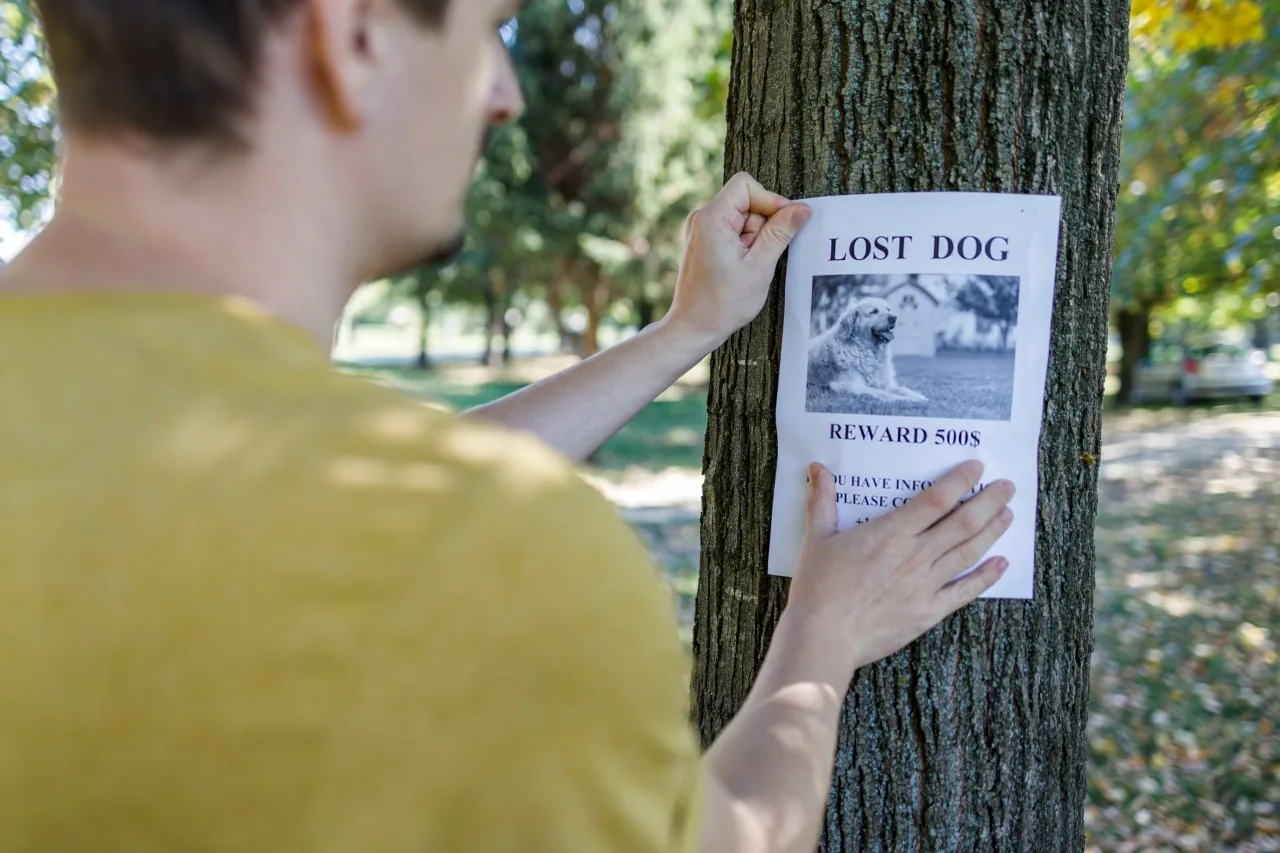
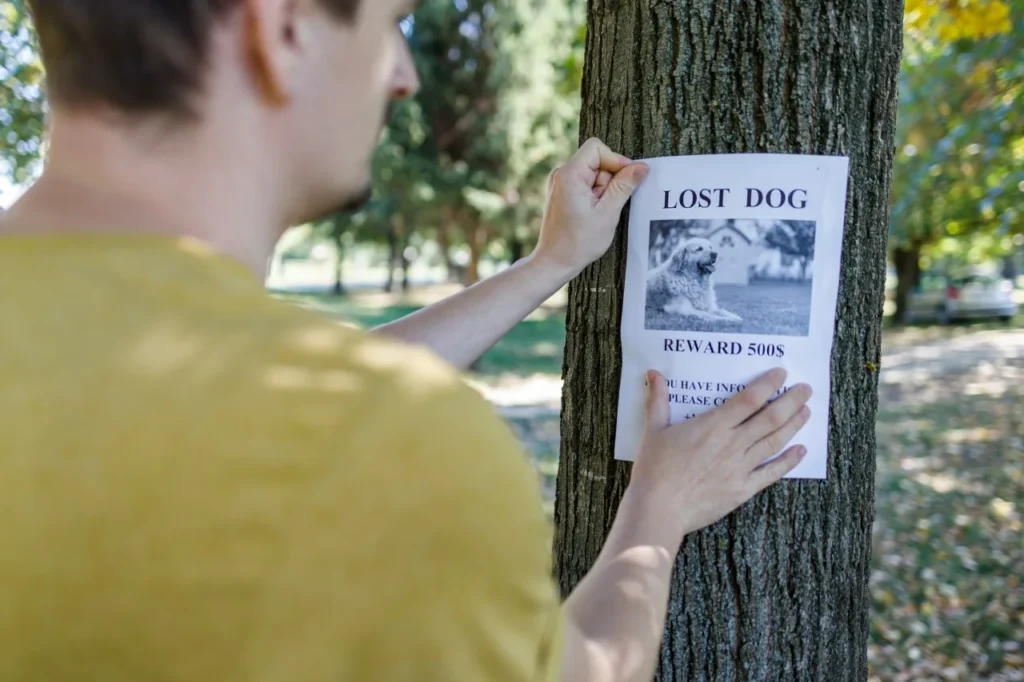
WASHINGTON, DC — Pet owners looking for missing animals are being warned about a new scam that uses artificial intelligence to create fake images of injured or found pets and then demands money for their return. Fraudsters monitor public lost-pet posts, copy photos that owners have shared online and turn them into convincing-looking images meant to trigger panic.
The scammers then reach out directly, claiming the animal is safe but needs emergency treatment, and they pressure owners to pay quickly. In some cases, they threaten to kill or euthanize the pet if the money is not sent. Consumer and animal welfare officials say the tactics are designed to exploit fear, urgency and the hope of getting a pet home alive.
The scheme begins with information many owners post in good faith: a photo, a description and a request for help finding a missing dog or cat. Scammers use those public details to fabricate an update that looks plausible enough to draw a response.
According to the warning described by animal care officials, the fake messages may suggest the pet has been found, has been hurt or is being treated at a shelter or veterinary clinic. The goal is to make the owner believe a rescue is already underway, then force a rushed decision before there is time to verify anything.
Some scammers also impersonate police officers or animal shelter workers to make the contact seem official. That added layer of authority can be especially persuasive when someone is desperate to bring home a pet that has gone missing.
One recent example involved a California pet owner who received a doctored image of her missing dog along with a claim that the animal needed emergency surgery at a San Jose shelter. The message said payment was needed to continue care and warned that the dog would be euthanized if the money was not sent, according to a warning from the city’s Animal Care and Services department.
When the owner checked directly with the shelter, staff confirmed the dog was not there. Officials then warned that scammers were using public lost-pet posts and AI-generated content to create false urgency and pressure people into paying.
The incident shows how quickly a fabricated image can move from a social media post to a threatening payment demand, especially when the pet’s owner is already anxious and trying to act fast.
Similar scams have been reported overseas, showing that the tactic is not limited to one country or one platform. In the United Kingdom, Cam Chauhan said she received a message demanding a £200 Apple gift card months after her cat disappeared, according to the BBC.
She said the message included what looked like an exact photo of her cat in a garden, which made it seem possible that someone had actually found him. But when she tried to arrange a meeting, the person would not proceed until she sent the gift card, and the exchange raised her suspicions. The cat remains missing.
Another BBC account involved Sarah Robinson, who was told someone had her missing cat and received a convincing image as proof. The scammer later asked for £40,000, nearly $54,000, and sent a transfer link before threatening to kill the cat when Robinson refused to pay.
Artificial intelligence has made it easier for scammers to produce images that appear authentic at first glance. That can be enough to override a person’s natural caution, especially when the message includes an emotional story about a pet in danger.
The speed of the scam is part of what makes it effective. Owners may have only a few moments to decide whether to trust the claim, and the fear of losing a pet can make unusual payment requests seem less suspicious than they should.
Because the images can be altered from publicly shared photos, they may include details that look familiar to the owner. That familiarity can make the message appear more credible than a standard phishing attempt, even when the facts do not add up.
The Federal Trade Commission says pet owners should be cautious anytime someone demands odd forms of payment in exchange for information or treatment. Gift cards, cryptocurrency and wire transfers are all red flags, especially when the other person claims to be holding a pet hostage until money is sent.
Officials recommend asking for a live video call or a current video that shows the pet clearly, including a unique physical feature if possible. Owners can also ask questions that someone relying only on social media photos would not easily know, such as details about the animal’s collar or markings.
Another important step is to verify the location through an independently confirmed number for the shelter, clinic or law enforcement agency. If possible, the FTC says owners should arrange an in-person meeting in a public place and never send payment before confirming the animal is real and actually with the person making the claim.
People who think they have been targeted can report suspected scams to the Federal Trade Commission at ReportFraud.ftc.gov. That reporting can help investigators spot patterns and alert other pet owners before they fall for the same tactic.
Officials say the safest response is to slow down and verify every claim before sending money or sharing more personal information. Even if the message includes a realistic-looking image or a threat of harm, pet owners should treat it as unconfirmed until they have independent proof.
For families already coping with a missing animal, the scam adds a second layer of stress. Consumer advocates say the best defense is to assume that any urgent demand for payment, especially one tied to a public lost-pet post, deserves careful scrutiny.