 111
 2
 3
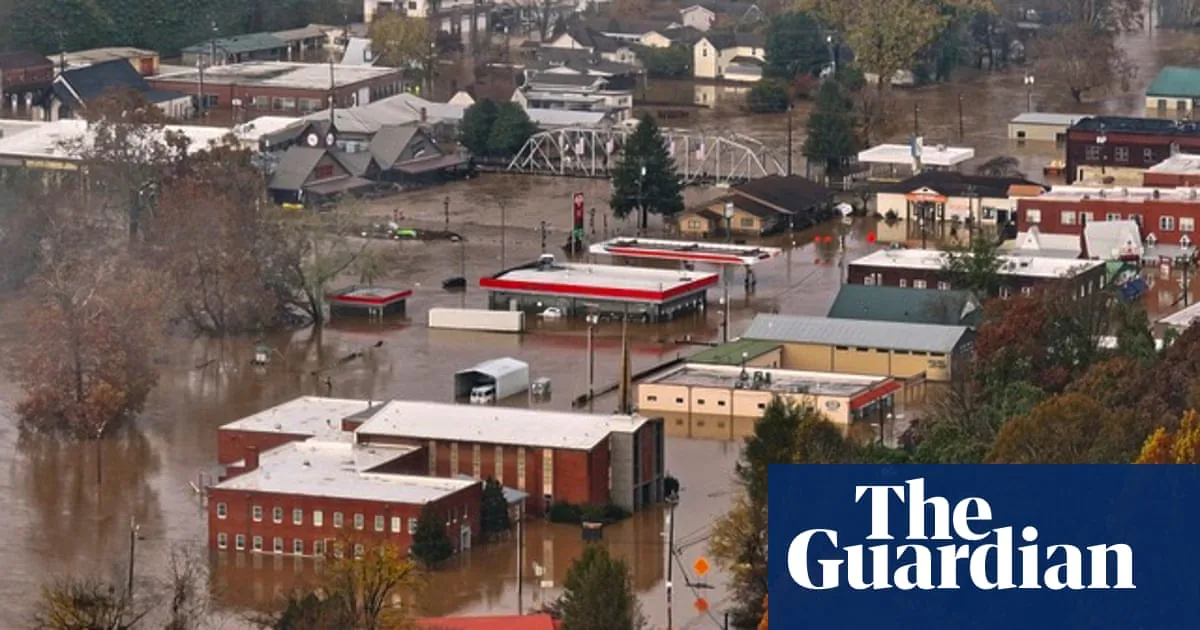
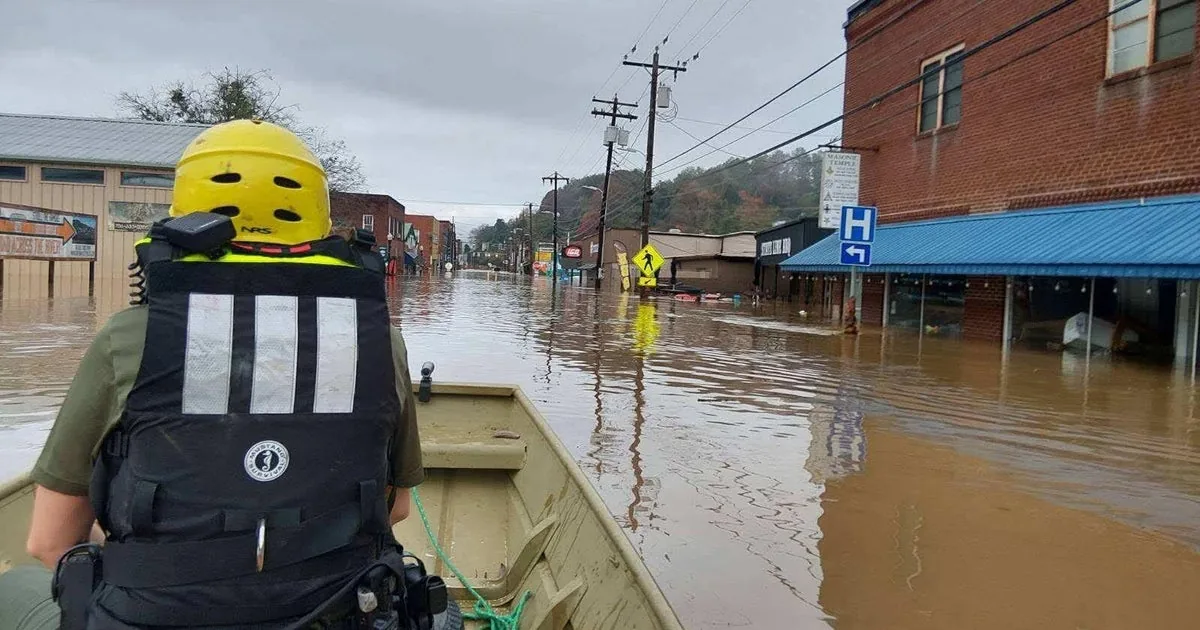
MCCAYSVILLE, GA — Severe storms dumped heavy rain on communities along the Georgia-Tennessee border late Wednesday and into Thursday morning, setting off flash flooding that forced emergency rescues across the area. The National Weather Service warned that conditions were especially dangerous and urged people to move to higher ground immediately.
By Thursday morning, McCaysville had taken on as much as five inches of rain, according to the weather service, and the flooding was described as life-threatening. The town sits just across the Toccoa River from Copperhill, Tennessee, where residents also faced evacuation warnings.
The National Weather Service issued a flash flood warning for the area through mid-morning Thursday and used unusually urgent language to describe the threat. It said low water crossings, small creeks and streams, highways, streets and underpasses could all become dangerous very quickly.
Officials also warned drivers not to try to cross flooded roads. “Turn around, don’t drown” remains the standard advice in flood events because, as the weather service noted, many flood deaths happen in vehicles.
The agency also said the situation was a “particularly dangerous” one, underscoring how quickly the rain had turned into a public safety emergency. Even after the rain eased, officials said floodwaters could continue to worsen in some places.
Georgia Gov. Brian Kemp said the state’s emergency management agency was leading a multi-agency response using aviation and boat assets, with help from local counties and Tennessee first responders. Later Thursday, Kemp said he had declared official emergencies in four counties, unlocking additional public resources for the response.
McCaysville police chief Michael Earley said more than 30 people had been rescued by boat by mid-morning. One local TV report later put the total number of water rescues above 50, though that figure was described informally rather than as an official count.
Earley said he had never seen flooding like this in his life, and added that some areas had water six to seven feet high. He also asked for more help from anyone able to assist as crews worked through difficult conditions.
Fannin County emergency management spokesperson Robert Poole told WSMV that one rescue effort involved a driver who called in after being swept away in his car down a creek. Poole said crews lost communication with the man as they tried to locate him and get him out safely.
Poole said responders were already stretched thin because several structure fires had happened around the same time lightning moved in. As the rain kept falling, water rescues followed the fire calls, adding pressure to the local response.
The episode showed how quickly dangerous weather can create overlapping emergencies, especially when roads and communications are affected at the same time. Crews continued working to reach people trapped by the floodwaters.
Local officials in McCaysville issued a boil water advisory as the flooding continued, adding another concern for residents trying to get through the morning. Public safety crews also kept warning that conditions could remain hazardous even after the rainfall let up.
School systems in Fannin and Gilmer counties announced closures for Thursday because road conditions were too dangerous for normal travel. Those closures reflected the impact of the flooding beyond the immediate rescue operations and into daily life for families across the region.
In Copperhill, Tennessee, city officials issued evacuation warnings for some residents around 3 a.m. ET. The twin communities on either side of the state line faced many of the same risks as swollen water moved through streets and low-lying areas.
County officials said game wardens with the Georgia Department of Natural Resources were helping state and local responders with search-and-rescue work in Fannin and Murray counties. The additional manpower reflected the scale of the flooding and the need for coordinated efforts across agencies.
The emergency response involved a mix of local police, county crews, state resources and Tennessee first responders, all working in hazardous conditions. Officials kept stressing that floodwaters could remain dangerous well after the rain stopped, especially around crossings, creeks and other low-lying spots.
The storm system left a wide footprint across the border region, with rescues, evacuations, road closures and advisories all unfolding within hours. By Thursday, the priority for emergency crews was reaching stranded people and keeping others away from the water.